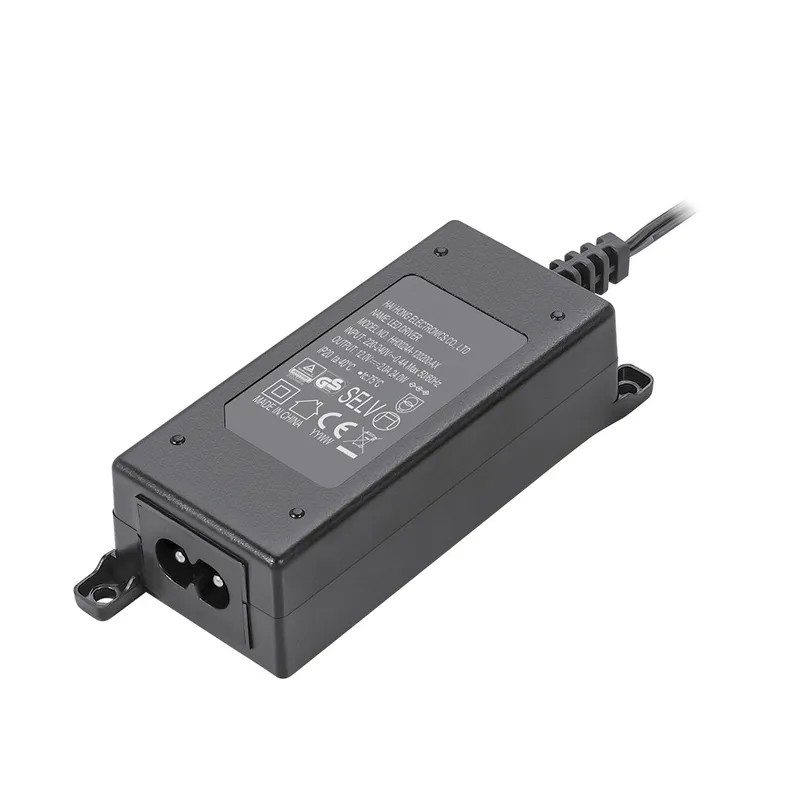
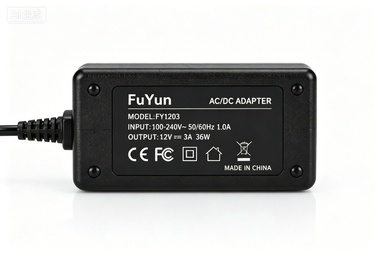
Historically, smart home and Internet of Things (IoT) hardware development was plagued by power supply fragmentation. Embedded engineers relied on proprietary barrel jacks (e.g., 5.5mm x 2.1mm DC plugs) and single-voltage dedicated AC/DC wall warts. This legacy approach created massive inventory redundancies for OEMs, escalated e-waste, and introduced field failures due to end-users inadvertently plugging incompatible voltage adapters into sensitive control boards.
With the aggressive ratifications of the EU Common Charger Directive (Directive 2022/2380) and the global ubiquity of USB Type-C Power Delivery (USB-PD 3.0 / 3.1 PPS), the paradigm has irrevocably shifted. Connected hardware ecosystems—ranging from Thread/Matter border routers and edge AI cameras to smart HVAC thermostats and motorized actuators—are transitioning entirely to USB-PD power inputs.
For hardware developers and original equipment manufacturers (OEMs), USB-PD is not simply a convenience interface; it is an intelligent, software-negotiated power pipeline. By dynamically negotiating voltage rails (5V, 9V, 12V, 15V, and 20V) and utilizing Programmable Power Supply (PPS) fine-tuning in 20mV increments, IoT developers can optimize thermal performance at the board level, eliminate bulky step-down buck regulators, and minimize electrical stress on mission-critical edge silicon.
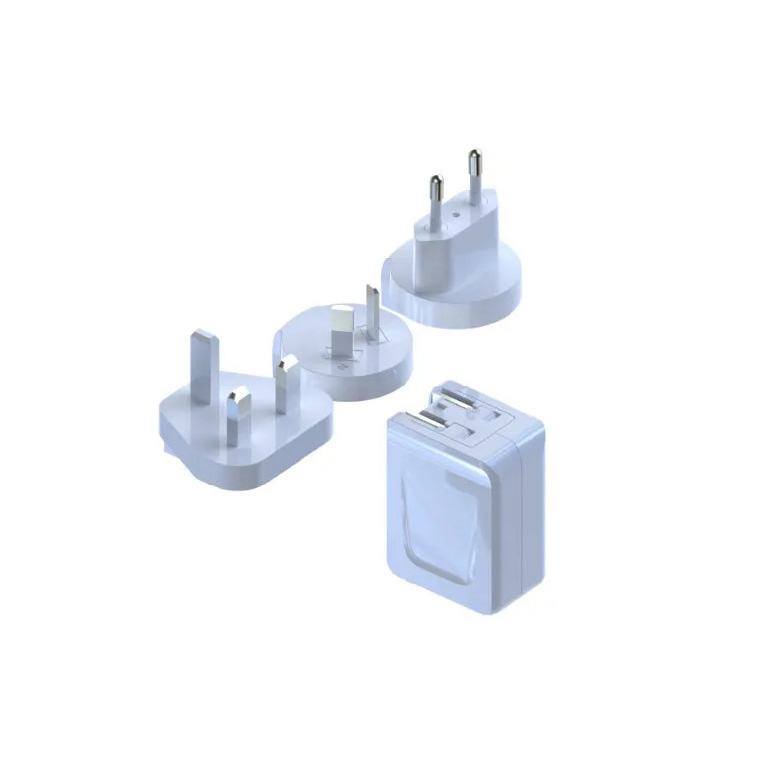
Eliminate region-specific PCB tooling. One standardized USB-C receptacle on your IoT appliance pairs seamlessly with universally certified USB-PD adapters featuring interchangeable pins or regional modular plugs.
By negotiating direct 9V or 12V rails via USB-PD PPS directly to local power stages, embedded systems run dramatically cooler, reducing thermal cycling stress on sensitive RF front-end chips.
Analyzing the mission-critical power profiles, transient load steps, and electromagnetic interference (EMI) constraints modern IoT hardware engineers confront daily.
Always-on central gateways coordinate dozens of concurrent mesh connections over Wi-Fi 6, Thread, Bluetooth LE, and Zigbee. They require exceptionally ultra-low ripple voltage (<50mVp-p) to avoid degrading radio receiver sensitivity (RX sensitivity). Our PD supplies maintain pristine DC purity, avoiding RF desense on the 2.4GHz and Sub-GHz ISM bands.
Modern 4K pan-tilt-zoom (PTZ) security cameras incorporate on-device Neural Processing Units (NPUs) for facial recognition. Dynamic compute spikes cause sudden current draw from 400mA up to 2.5A within milliseconds. Bundled USB-PD power adapters must handle these transient steps without tripping Over-Current Protection (OCP) or triggering brownout resets.
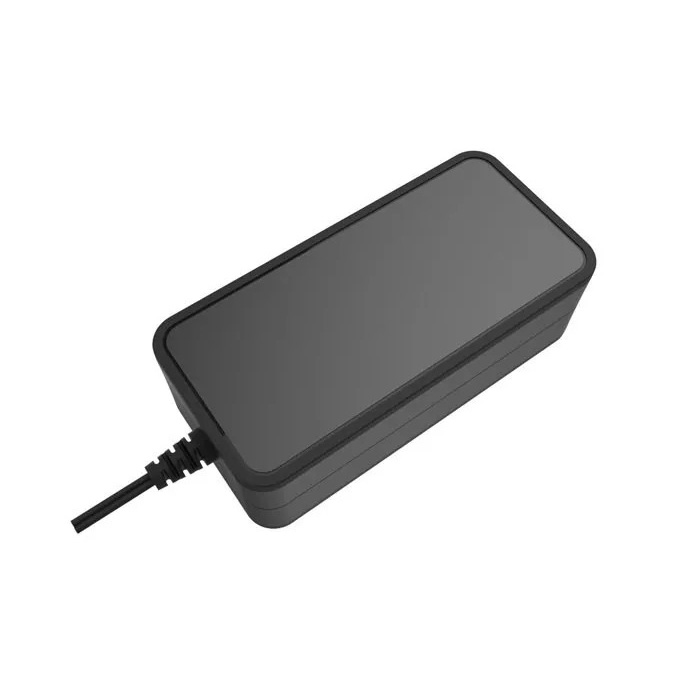
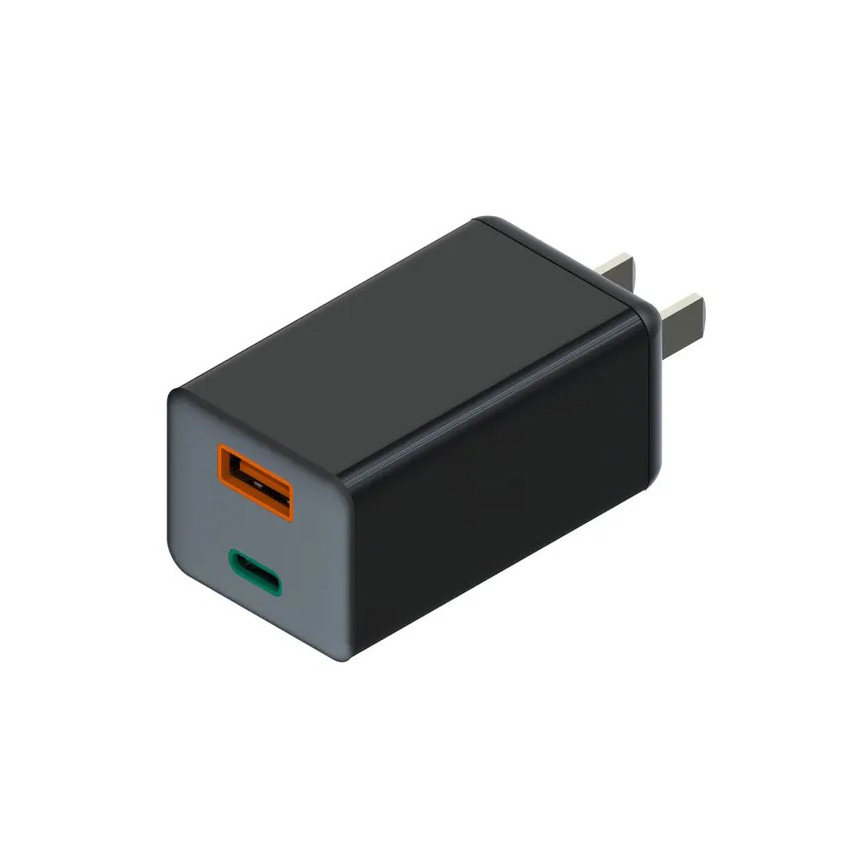
Wall-mounted control consoles integrate back-lit IPS capacitive displays, ambient light sensors, and voice-array DSPs. They demand continuous 18W to 30W thermal efficiency inside confined wall cavities. Bundling a compact, low-heat GaN (Gallium Nitride) USB-PD adapter guarantees safe, 24/7 continuous operation without degrading electrolytic capacitors.
When selecting an OEM/ODM power supply partner for hardware bundling, development teams must balance cost, safety compliance, energy regulations, and electrical stability. The table below outlines our standardized electrical parameters against common IoT architectural requirements:
| Parameter / Architectural Feature | Legacy Barrel Jack Supply | Standard USB-A 5V Supply | FuYun (RUIYU) Smart USB-PD Solution |
|---|---|---|---|
| Negotiated Voltages | Fixed (Typically 5V or 12V only) | Fixed 5.0V | 5V, 9V, 12V, 15V, 20V (PPS 3.3V - 21V) |
| Peak Power Capacity | 10W - 24W (Inflexible) | Up to 10W - 12W max | 18W, 20W, 24W, 36W, 60W scalable |
| Standby Power Consumption | 150mW - 300mW (DOE Level V) | >75mW | <30mW (Zero-Watt Standby, DOE Level VI) |
| Ripple & High Frequency Noise | 120mV - 200mVp-p | 80mV - 150mVp-p | <50mVp-p (Critical for RF clean operation) |
| Regulatory Bundling Feasibility | Poor (Fragmented plug heads) | Moderate (Limited power headroom) | Universal (UL, CE, FCC, PSE, SAA, KC, CCC) |
| Connector Durability & Standard | Bespoke, fragile solder joints | Type-A (Outdated standard) | Reversible USB Type-C (10,000+ insertion cycles) |
While mobile smartphone giants have experimented with omitting chargers, smart home IoT hardware developers face distinct operational and technical realities that make in-box bundling indispensable.
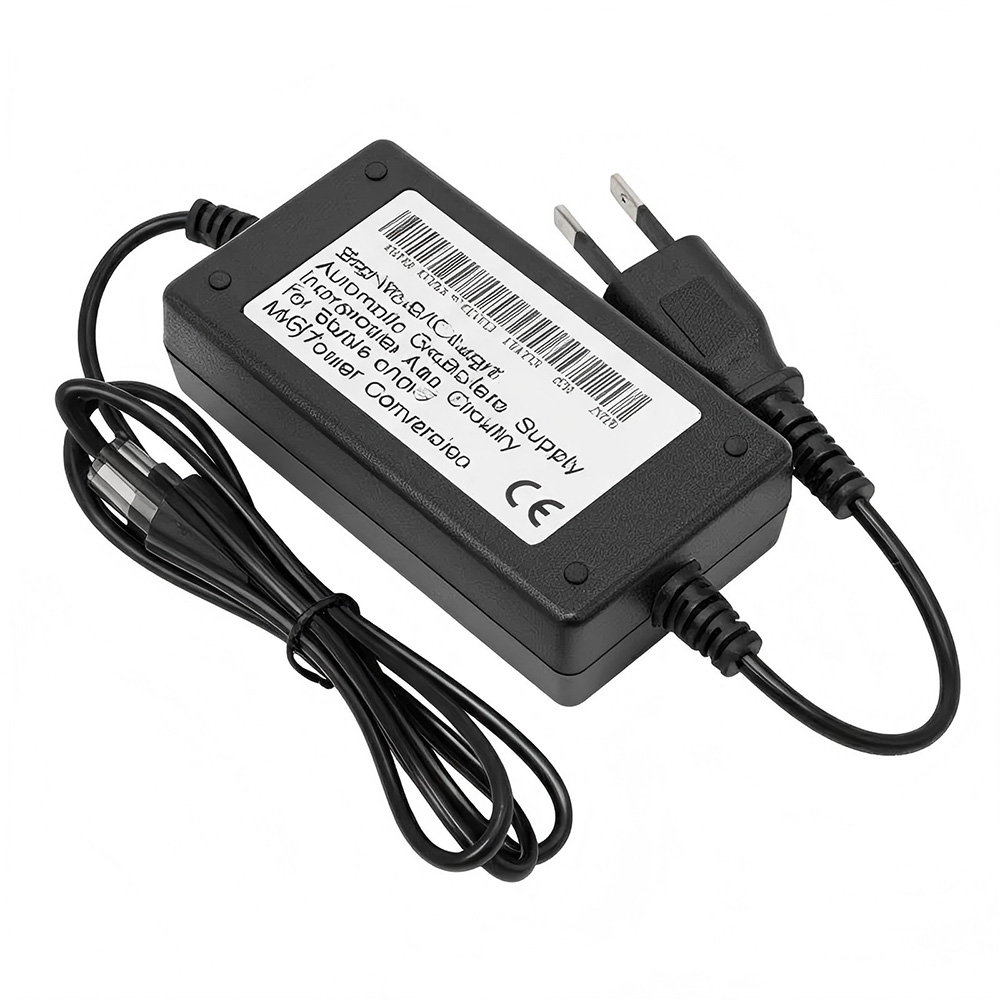
A major cause of smart home device returns during consumer onboarding is the "insufficient power" failure mode. When consumers connect a sophisticated smart hub or motorized camera to an aging 5V 1A phone charger found in a drawer, the device repeatedly reboots during Wi-Fi beacon calibration or IR illuminator activation. By bundling an engineered, certified USB-PD power supply in the retail packaging, IoT hardware developers guarantee a flawless out-of-box experience (OOBE) and reduce unboxing-related RMA rates by up to 34%.
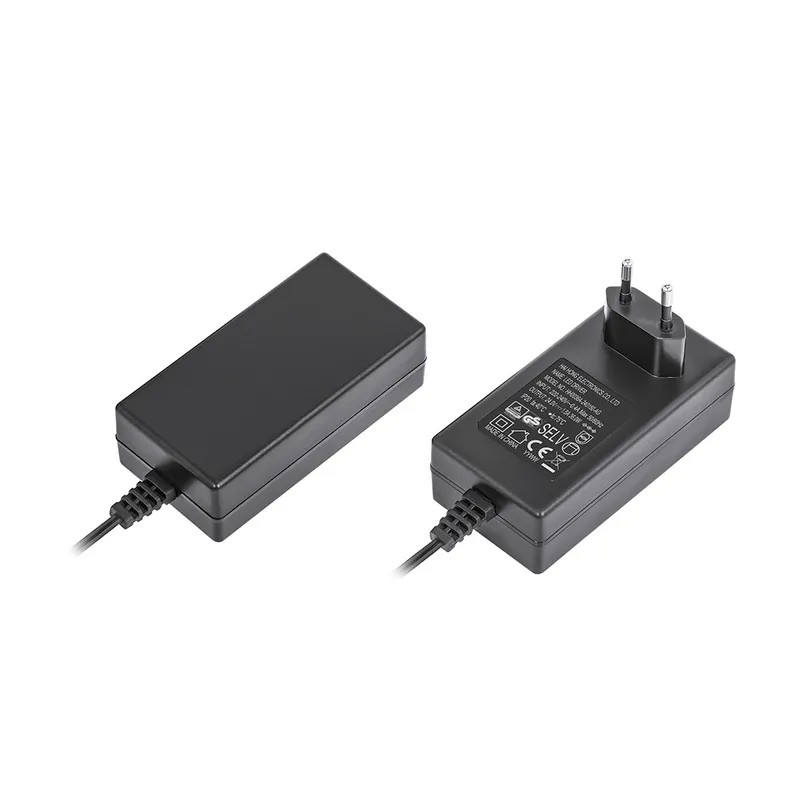
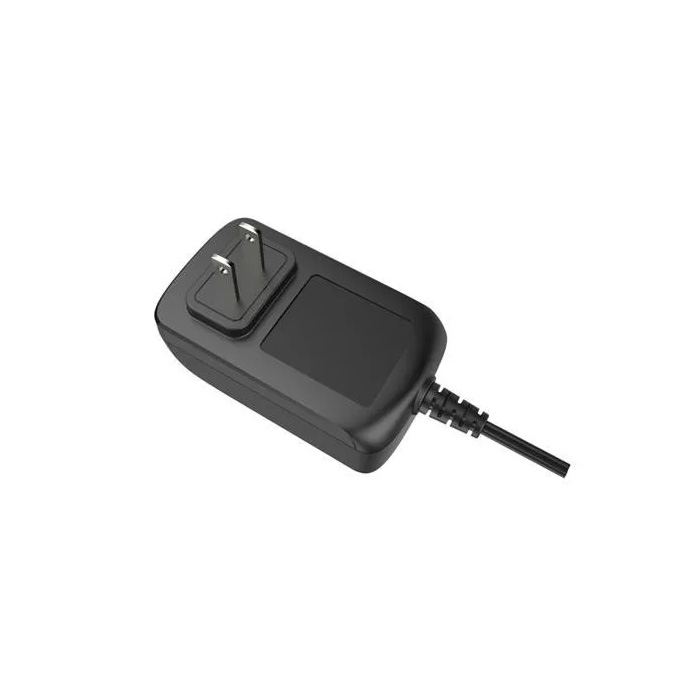
Managing separate physical SKUs for the North American market (US NEMA 1-15P), European Union (CEE 7/16 Europlug), United Kingdom (BS 1363), and Australasia (AS/NZS 3112) is a logistics nightmare. Our interchangeable AC adapter platforms allow IoT hardware companies to maintain a single central device SKU. The regional compliance is handled entirely through swappable wall-mount pin clips, drastically lowering warehousing costs, shortening lead times, and enhancing inventory turnover.
Cheap off-the-shelf white-label chargers flood connected boards with aggressive electromagnetic emissions. Switching harmonics can couple onto USB power planes, destroying the signal-to-noise ratio (SNR) of built-in Zigbee or Bluetooth LE chips. Shenzhen FuYun (RUIYU) power supplies are equipped with multi-stage EMI suppression filters, low-leakage Y-capacitors, and optimized high-frequency transformers that fully comply with FCC Part 15 Class B and EN 55032 Class B emission limits.
IoT smart home appliances stay connected to mains electricity 24 hours a day, 365 days a year—often unattended in residential premises. Bundling power adapters that possess genuine international safety certifications (UL 62368-1, TUV-GS, CE, CB, PSE, SAA) protects IoT device manufacturers from catastrophic legal liability, insurance complications, and customs import detentions across 50+ countries.
A premier high-tech enterprise dedicated to the R&D, precision automation manufacturing, and global export of advanced power adapters, chargers, and switching power systems.
Established in August 2010, Shenzhen FuYun (RUIYU) Technology Co., LTD. has emerged as a premier manufacturer integrating advanced research, lean manufacturing, global sales, and engineering support for high-grade power adapters, fast chargers, switching power supplies, and high-pressure core electronic parts.
Our state-of-the-art Shenzhen campus employs more than 800 highly trained employees and over 30 specialized management and senior engineering staff. The manufacturing lines feature state-of-the-art automatic SMT equipment, automated transformer winding robots, wave-soldering lines, automatic optical inspection (AOI), and comprehensive reliability testing chambers.
Through rigorous quality assurance and continuous technology optimization, our power solutions command over 60% market share in the United States and European Union, while rapidly expanding across tier-one brands in Japan, South Korea, and Greater China. By partnering closely with world-renowned IoT device developers, we consistently provide customized ODM/OEM power ecosystems that satisfy stringent regional regulatory demands.
We strictly standardize standard operating procedures (SOP), testing each production batch according to international safety and reliability standards. All adapters undergo 100% full-load aging tests, high-pot insulation tests, and automated functional tests before packaging and shipping. We continuously uphold our guiding mission: "High quality, Better pricing, and Best service" to deliver unmatched value to our global hardware partners.

RUIYU TECHNOLOGY was founded in Shenzhen, establishing our specialized engineering focus on high-efficiency AC/DC power adapters, multi-stage chargers, and switching power supplies.
Accelerated global certification pipelines, successfully obtaining comprehensive international safety approvals including TUV, GS, BS, CE, UL, FCC, C-UL, PSE, SAA, and CCC.
Completed strict chemical and hazardous substance validation, achieving 100% compliance with EU RoHS Directive standards verified by SGS testing laboratories.
Upgraded factory operational frameworks to achieve formal accreditation under the ISO9001:2000 Quality Management System, enforcing repeatable precision at scale.
Monthly manufacturing capacity scaled past 800,000 units, serving tier-one customers throughout the USA, Europe, the United Kingdom, Japan, and extensive ODM projects for South Korea.
Key design advice from our power electronics engineering team for embedded system developers laying out smart home motherboards and sourcing turnkey bundling power supplies.
Always include 5.1kΩ pull-down resistors on the CC1/CC2 lines of your USB-C peripheral receptacle. When paired with standard 5V legacy chargers, your smart device should automatically execute graceful degradation, turning off high-draw accessories rather than abruptly crashing due to rail brownouts.
Many IoT sensors feature significant bypass capacitance arrays. During initial hot-plug events, severe inrush currents can trigger the power supply's short-circuit protection (SCP). Our custom OEM firmware features soft-start voltage ramping, allowing smooth cold starts without tripping fast-acting electronic latches.
Smart home equipment is frequently handled by end-users in dry, carpeted indoor environments. In-box power adapters engineered by FuYun (RUIYU) integrate air discharge ESD resistance up to ±15kV and contact discharge up to ±8kV, alongside 2kV to 4kV line-to-line surge protection against lightning transients.
Need a custom voltage profile, specialized injection-molded housing with your company logo, or specific UL/EN test reports for your hardware release?
Shenzhen FuYun (RUIYU) Technology Co., Ltd. is your trusted OEM/ODM manufacturing partner.