Shenzhen FuYun
Leave Your Message

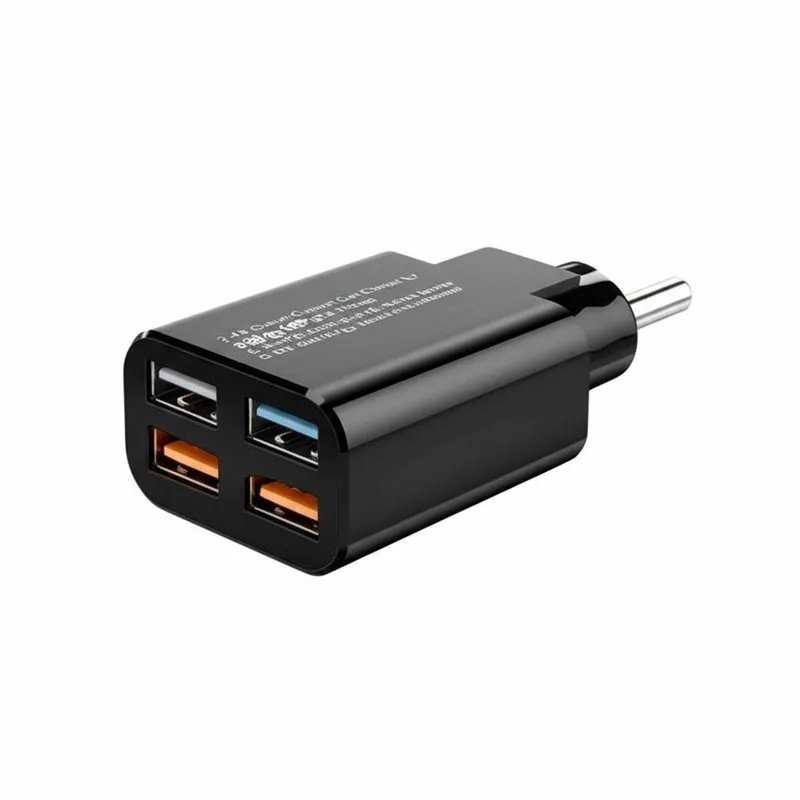
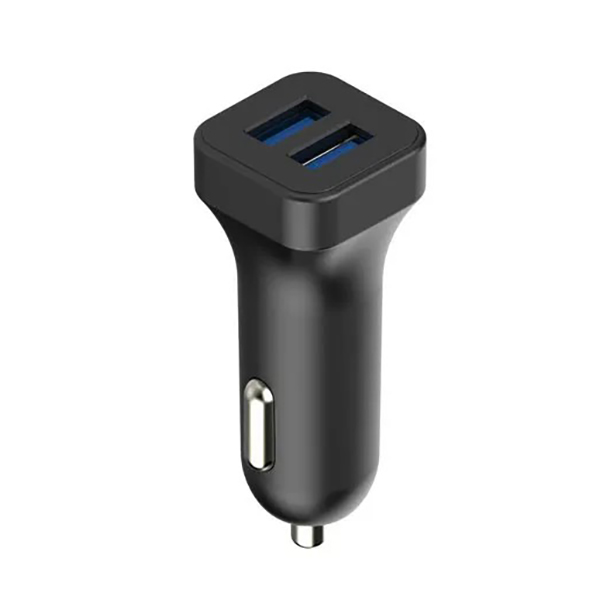
Usb Car Charger For Contract Electronic Manufacturing (Ems) And Product Assembly

High-reliability power solutions engineered for advanced automotive integration, global compliance, and seamless OEM/ODM assembly lines.

The Evolution of USB Car Chargers in the EMS Ecosystem

The global automotive landscape is undergoing a massive digital transformation, turning modern vehicles into mobile hubs of connectivity. As vehicles integrate more telemetry, infotainment, and personal devices, the demand for stable, high-efficiency USB car chargers has expanded beyond simple aftermarket accessories. Today, contract electronic manufacturing (EMS) and product assembly lines are integrating charging circuits directly into vehicle sub-assemblies, dashboard clusters, and passenger consoles.

From an EMS perspective, manufacturing these components requires strict adherence to automotive-grade reliability. Unlike standard consumer electronics, automotive power delivery systems must withstand severe temperature swings, constant vibration, and unpredictable voltage transients from the vehicle's alternator. Consequently, contract manufacturing partners are focusing heavily on advanced PCBA (Printed Circuit Board Assembly) techniques, thermal dissipation management, and rigorous EMI/EMC shielding to prevent interference with critical vehicle electronics.

Automotive Grade Manufacturing

Our processes align with strict automotive standards, ensuring that every PCB assembly handles high vibration, thermal shocks, and continuous power fluctuations without performance degradation.

Advanced Technical Trends in Product Assembly

The primary technological driver in the current USB car charger market is the shift toward USB-C Power Delivery (PD) and the integration of GaN (Gallium Nitride) semiconductors. Traditional silicon-based chargers struggle with heat dissipation when outputs exceed 30W within the confined spaces of a vehicle console. GaN technology enables contract manufacturers to build ultra-compact PCBAs that deliver up to 100W of power with minimal thermal signature.

For product assembly providers, this transition introduces new complexities. SMT (Surface Mount Technology) processes must achieve extreme precision when placing micro-sized GaN components and multi-layer board structures. Additionally, automated optical inspection (AOI) and X-ray testing are crucial to verify solder joint integrity under high-density components, preventing field failures caused by thermal stress or physical vibration over the vehicle’s operating lifespan.

Key Engineering Metrics for Automotive EMS:

  • Thermal Profiling: Utilizing specialized copper pours and thermal vias to dissipate heat away from the core regulator.
  • Dynamic Protection Circuits: Implementing over-voltage, over-current, and short-circuit protections that reset automatically.
  • Multi-Protocol Negotiation: Integrating smart ICs that auto-detect and handshake with diverse device protocols (QC, PD, PPS).
Service and Production Line

Deep Application Scenarios of USB Car Chargers

01
Fleet Logistics & Telematics

Commercial fleets require ruggedized USB power sources integrated with telematics systems. These chargers must operate continuously under heavy duty cycles, powering GPS, communication tablets, and logging devices without interruption.

02
EV Smart Console Integration

Electric vehicles demand high efficiency to conserve battery range. Custom EMS product assembly integrates low-standby-current USB charging modules directly into the vehicle's high-voltage DC-DC converter architecture.

03
Public Transit Infotainment

Buses, trains, and ride-sharing networks utilize heavy-duty USB ports built to withstand physical abuse, frequent insertion cycles, and transient voltage spikes from heavy-duty alternators.

Our Team

Our Team

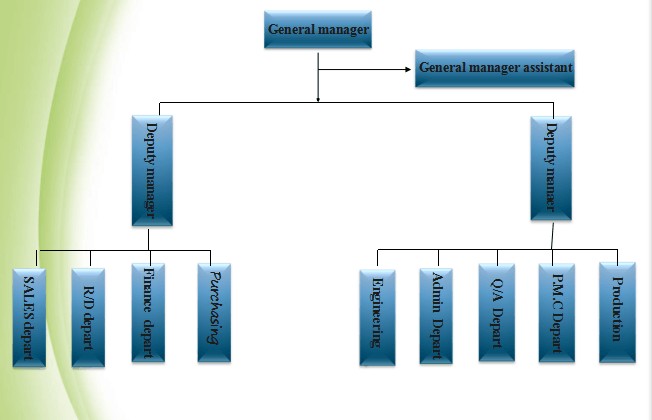
FuYun (RUIYU) Technology is a team just like a big family. We always emphasize the team work and cooperation with each department.

R/D Dept.

Design the good adapters according to the market trend and customers needs, and obtain the safety approvals.

Purchasing Dept.

Buy in the materials depending on the orders in hands and make sure the delivery time.

QC / QA

Check and testing the materials once they are ready.

Production Dept.

Do the production following the schedule after the materials were passed the testing.

Oversea Sales

Handle all issues from customers including quotation, pricing adjustment, samples order confirmation, delivery date confirmed, payment and shipping.

24 Hours Global Service

Our sales team can offer 24 hours service to all customers who are from the worldwide through email, telephone and other communication as wechat, skype, facebook.

We strongly believe in we can be the best business partner with you! You can see and trust us once we begin the cooperation!

Offering you our best is what we must do for you!
Service

Service & Manufacturing

RUIYU Technology has modern production equipments and testing instruments. Our lead time is 15 - 20 days after we received the confirmed order. To make sure all adapters must be met our high quality standards, we have 30 QA / QC staffs to check and test each adapter at each production stage.

We strictly follow up the ISO9001 and our SOP to make all adapters have to pass full times testing before packing and shipping out. We keep production recordings for years to ensure 100% traceability for every unit produced.

"High quality standard and best service should make us win to win!"

GLOBAL COMPLIANCE & CERTIFICATIONS
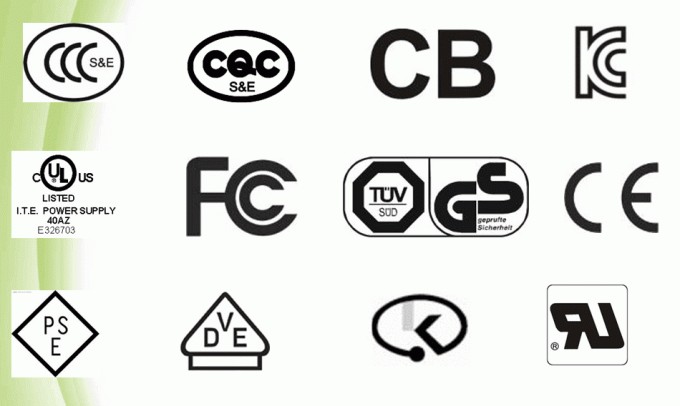
UL · CUL · FCC · CE · GS · CCC · PSE · KC · SAA

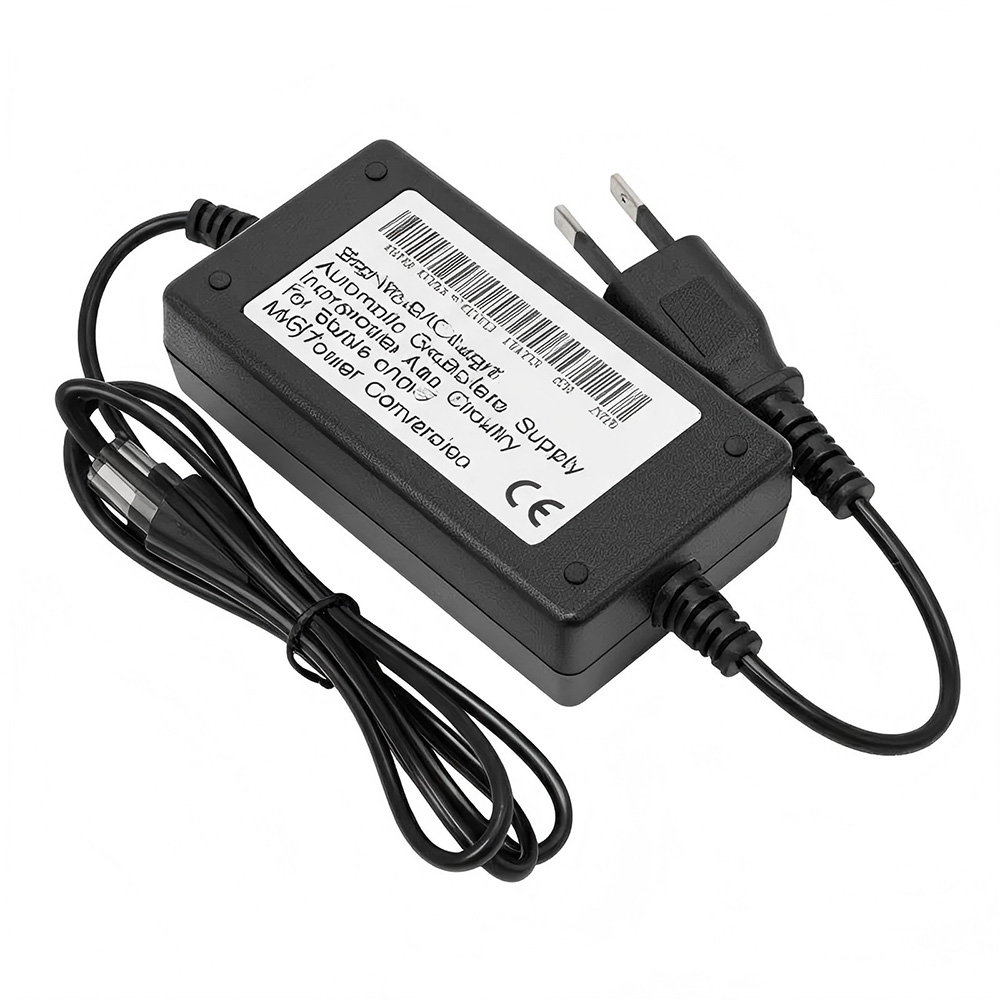
During the passed 10 years, we have designed 3-150 watts adapters and LED drivers sold to over 50 countries. We focus on offering high quality with competitive pricing to satisfy global demands.

Our Commitment

Our Commitment

We are doing our best to offer high quality products and best service to build long-term cooperation. What we provide:

  • 01 Quick response to any requirements within 24 hours through our oversea sales.
  • 02 Offer 2-5 pcs free samples to customer for function testing.
  • 03 Good lead time: 15 days only after confirmed the PO.
  • 04 OEM and ODM are highly welcome.
  • 05 0.1% of total order quantities provided for back up.

Quality Control Framework in USB Charger Assembly

Quality control in the EMS sector for USB car chargers involves multiple testing phases to guarantee long-term field performance. Because vehicles operate in harsh electrical environments with voltage surges, load dumps, and temperature swings, contract manufacturers must execute multi-stage testing protocols. SMT placement accuracy is followed by Automated Optical Inspection (AOI) to detect bridging or component misalignment. After final product assembly, functional testing ensures that power output levels, ripple voltage, and protocol handshakes conform strictly to technical requirements.

Furthermore, full-load burn-in testing is conducted on 100% of finished units. This process exposes the chargers to sustained maximum power loads within controlled thermal chambers, effectively weeding out early-stage component failures before shipping. Traceability is another crucial pillar of modern electronic contract manufacturing. By recording serial numbers, batch codes, and testing results, EMS providers can trace any field issues back to the specific raw material batch or manufacturing shift, ensuring rapid resolution and continuous improvement.

Strategic Value of EMS Partnerships

Partnering with an experienced EMS provider allows brands to scale production rapidly while maintaining strict quality control. From design refinement (Design for Manufacturability - DFM) to global component sourcing and automated assembly, a professional contract manufacturer ensures that USB car chargers meet global safety standards (such as UL, CE, FCC, and PSE) while keeping production costs competitive. This collaborative ecosystem is essential for launching high-reliability automotive charging solutions into today's fast-moving market.