Shenzhen FuYun
Leave Your Message

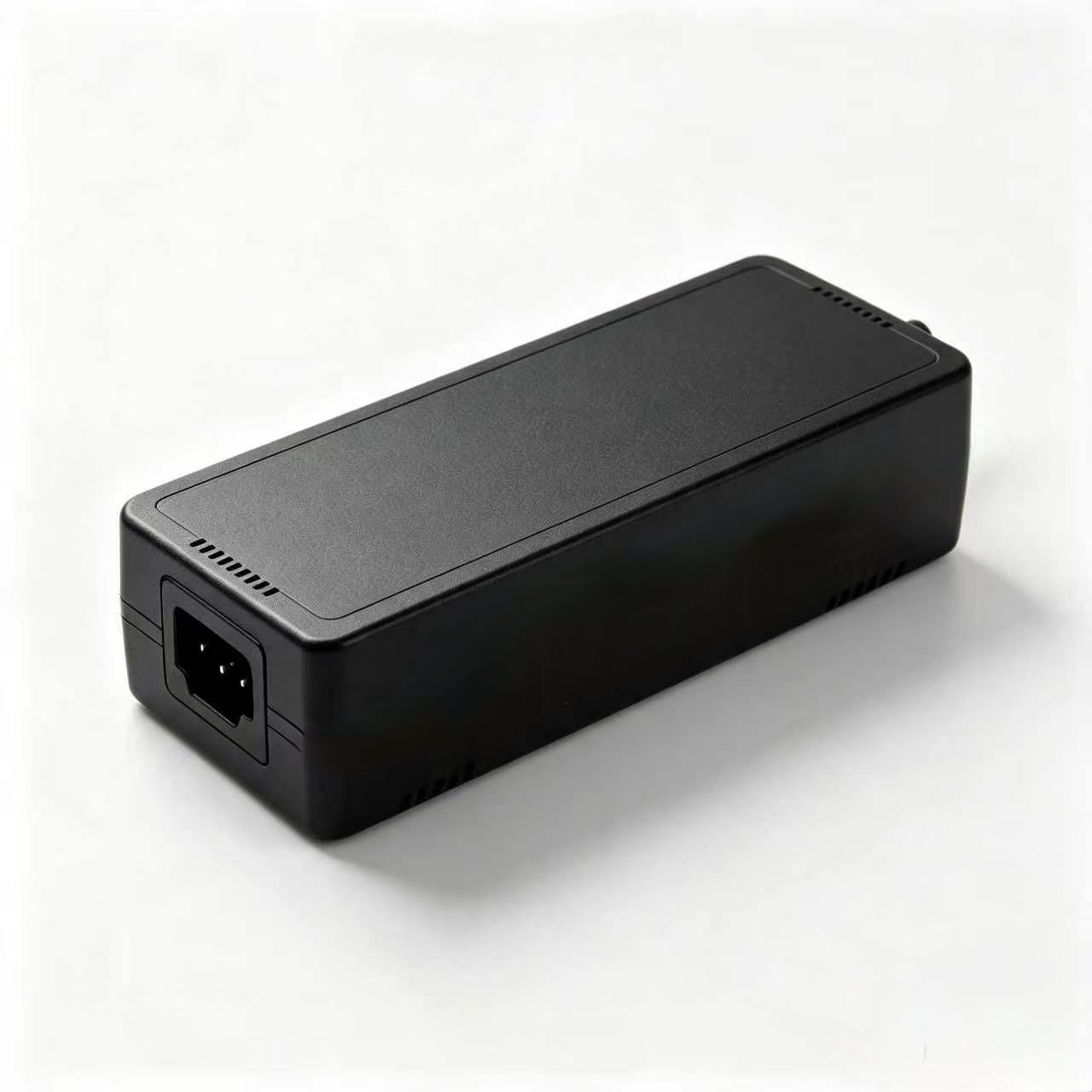
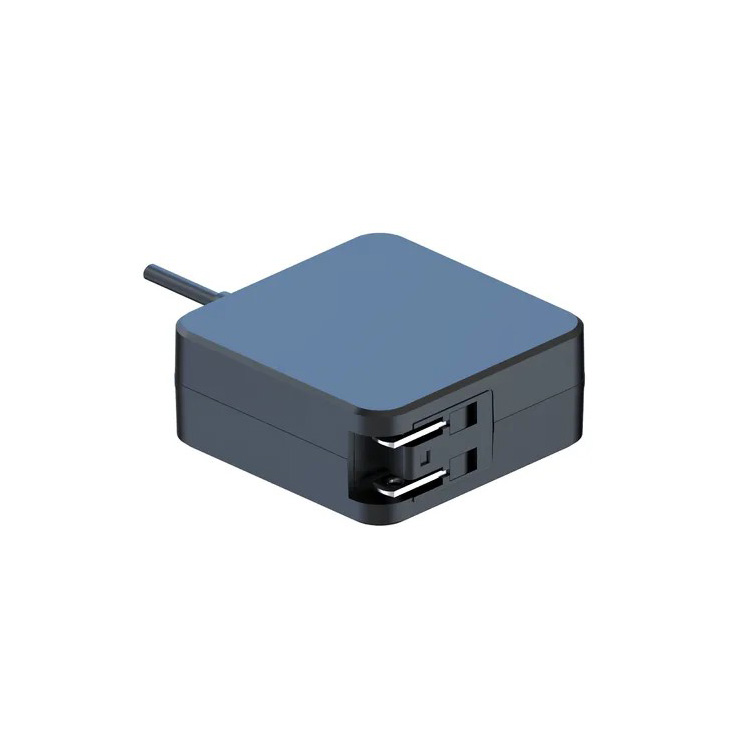
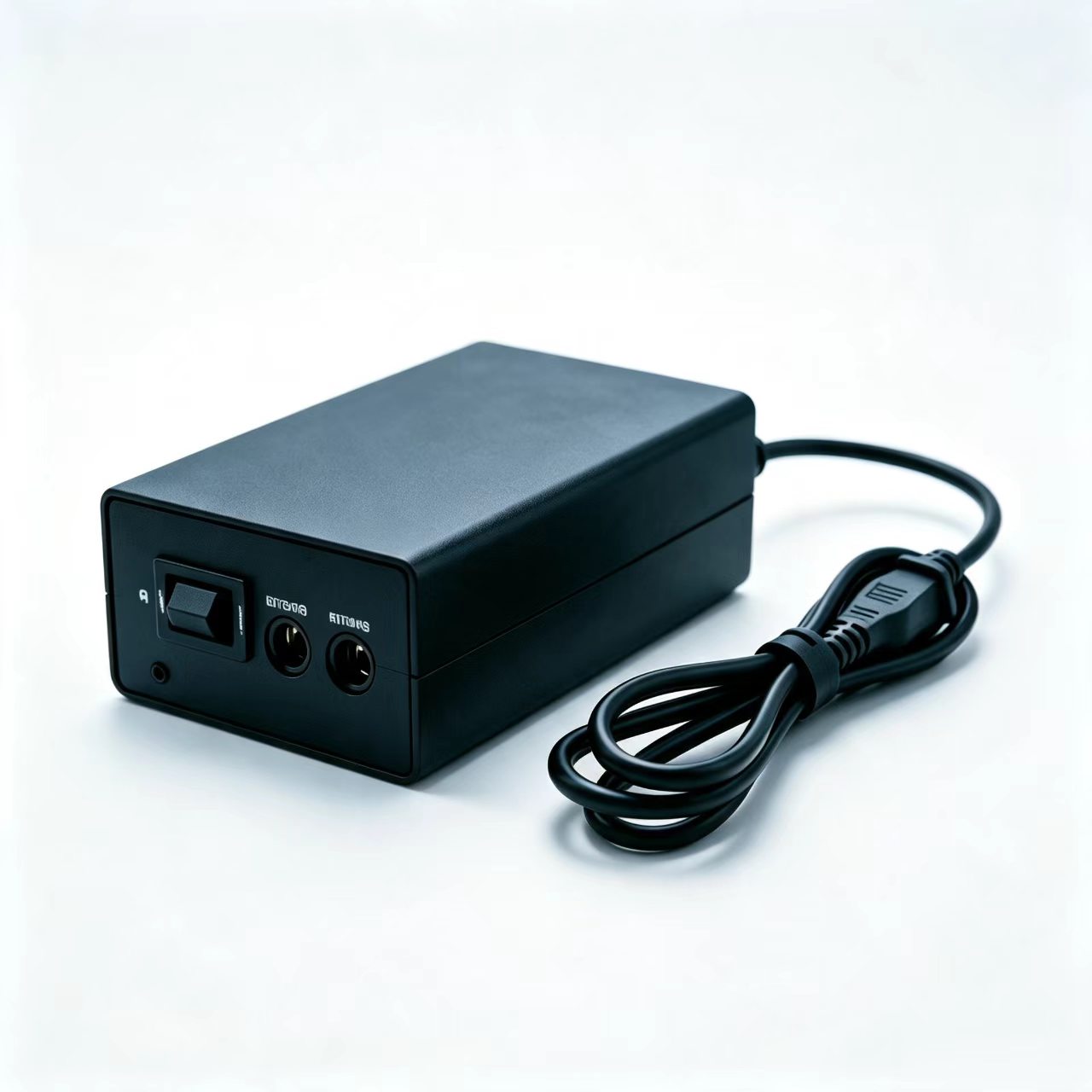
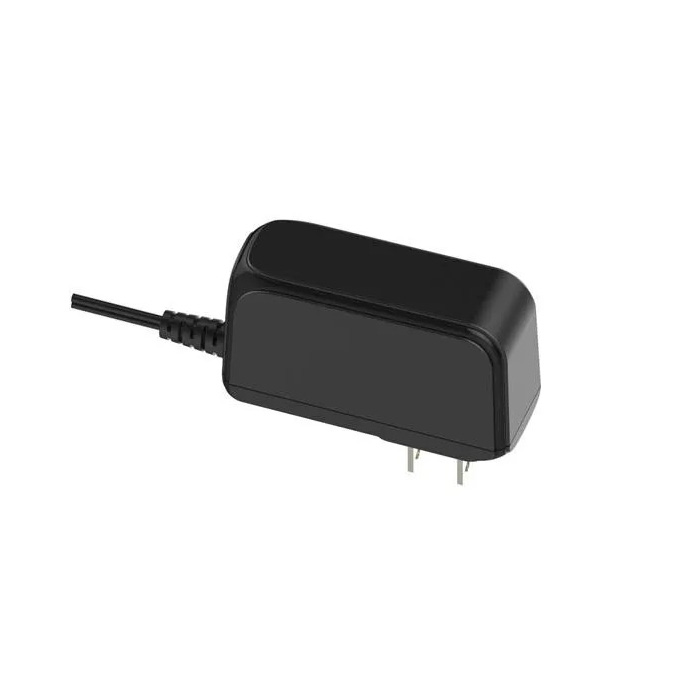
Pd Adapter For Global Sourcing Procurement And Supply Chain Institutions

Empowering Next-Generation Electronics Procurement with High-Efficiency, Multi-Certified USB-C Power Delivery Solutions for B2B Supply Chains Globally.

The Strategic Role of PD Adapters in Modern Global Sourcing and Supply Chain Management

In today's hyper-connected global economy, power supply systems serve as the invisible backbone of all electronic infrastructures. For global sourcing procurement agencies, enterprise purchasing heads, and supply chain institutions, selecting the right PD (Power Delivery) adapter is no longer just a hardware checklist item. It has evolved into a strategic decision that directly impacts operational efficiency, regulatory compliance, product safety, and overall cost optimization.

USB-C Power Delivery (USB PD) technology has revolutionized the power management landscape by enabling single-cable charging for a vast spectrum of devices—ranging from low-power IoT sensors to high-performance laptops and industrial equipment. This homogenization of charging standards presents a massive opportunity for supply chain managers to consolidate their inventory, streamline vendor lists, and reduce logistics complexity.

"By standardizing on multi-voltage PD adapters, global supply chain institutions can reduce SKU complexity by up to 40%, leading to significant savings in warehousing, quality control, and international customs clearance."

Understanding the Industrial & Commercial Demand for PD Adapters

The transition to USB PD is driven by several macroeconomic factors. As regulatory bodies across the European Union and other major jurisdictions mandate universal charging interfaces (such as the EU's common charger directive), procurement organizations must align their sourcing strategies to comply with these rules. This prevents cross-border shipment delays and avoids costly compliance penalties.

Furthermore, industrial and commercial applications have grown increasingly demanding. Today's smart offices, retail POS systems, healthcare monitoring devices, and telecommunication hubs require power adapters that offer not just raw energy, but intelligent power negotiation, low standby energy loss, and high thermal efficiency. A failure in a power adapter can lead to costly equipment downtime, customer dissatisfaction, and brand reputation risks.

🌐
Global Compliance
Meets UL, CUL, TUV, GS, CE, FCC, PSE, SAA, and CCC standards for seamless international distribution.
⚡
High Efficiency
Engineered with advanced materials to maximize power conversion and minimize heat dissipation.
🛡️
Supply Resilience
50,000 hours MTBF and strict quality controls guarantee long-term operational stability.

Deep Application Scenarios for PD Adapters in Supply Chain Networks

Sourcing institutions must look beyond consumer electronics to identify the true volume drivers for PD adapters. Here are the key sectors where high-power, certified PD adapters are making the biggest impact:

  • Smart Retail and POS Systems: Modern point-of-sale terminals, inventory scanners, and interactive digital signage rely on continuous, stable power. PD adapters with multi-voltage outputs ensure that varying peripheral devices can be powered from a single hub.
  • Healthcare and Medical Equipment: Medical carts, portable diagnostic devices, and air purification equipment (such as formaldehyde-removing devices) require medical-grade safety margins. Flame-retardant PC 94 V0 enclosures are critical in these environments.
  • Enterprise IT and Smart Workspaces: Standardizing corporate laptop chargers to universal PD adapters allows employees to share docks and power sources, reducing corporate electronic waste and simplifying IT asset management.
  • Industrial Automation and IoT: Remote sensors, gateways, and edge computing nodes installed in rugged environments demand power supplies with high MTBF (Mean Time Between Failures) to minimize maintenance costs.


Key Criteria for Global Procurement Officers When Sourcing PD Adapters

When supply chain institutions evaluate potential OEM/ODM partners for power adapters, they must look at a holistic matrix of technical capabilities, quality control frameworks, and manufacturing capacities. Below are the critical evaluation pillars:

1. Comprehensive Safety Certifications

A power adapter without local safety stamps is a liability. Global distribution requires a product to carry multiple certifications like UL (North America), CE (Europe), PSE (Japan), SAA (Australia), and CCC (China). Sourcing certified products ensures that the adapters comply with local electrical safety, electromagnetic compatibility (EMC), and energy efficiency guidelines. This speeds up time-to-market dramatically.

2. Material Quality and Flame Retardancy

Safety starts with the housing. Premium PD adapters utilize PC 94 V0 grade polycarbonate plastics. This material is self-extinguishing within 10 seconds of ignition, preventing fire hazards in industrial plants, server rooms, or residential spaces. For procurement officers, verifying plastic grade certificates is a non-negotiable step during factory audits.

3. Long-Term Reliability and MTBF

For industrial applications, the cost of replacement often exceeds the cost of the adapter itself. Selecting adapters with a proven MTBF of 50,000 hours or more means the equipment can run continuously for over 5.7 years without failure. This reliability is achieved through high-quality internal components, such as Japanese solid capacitors, and rigorous burn-in testing during production.

4. Energy Efficiency and Environmental Compliance

With global ESG (Environmental, Social, and Governance) mandates tightening, power adapters must comply with the latest energy efficiency standards, such as DoE Level VI and CoC Tier 2. These standards mandate minimal standby power consumption and high active mode efficiency, helping end-users reduce their carbon footprint and electricity bills.

Strategic OEM/ODM Partner: Shenzhen FuYun (RUIYU)

Shenzhen FuYun (RUIYU) Manufacturing Facility
Global Headquarters:
No.129 of the first industrial zone, Lisonglang Community, Gongming Town, Guangming New District, Shenzhen, Guangdong, China.

Established in August 2010, Shenzhen FuYun (RUIYU) Technology Co., Ltd. has grown into a premier global designer, manufacturer, and supplier of high-quality AC/DC power adapters, USB-C PD chargers, and high-pressure core parts for professional equipment. With over a decade of industry expertise, we serve as a trusted partner for global sourcing procurement and supply chain institutions worldwide.

Our state-of-the-art manufacturing facility employs more than 800 skilled workers and is managed by a team of over 30 experienced technical and management professionals. To ensure consistent quality and scale, we utilize advanced automation equipment alongside comprehensive reliability testing instruments.

Our market presence is deeply global, with the USA and European Union markets accounting for 60% of our total export volume. We are also experiencing rapid expansion in high-demand markets including China, Japan, South Korea, and the UK. By continuously refining our production technology and quality management systems, we passed a comprehensive series of national and international certifications in 2012, earning a stellar reputation among global B2B buyers.

Our Quality Commitment: We standardize the SOP, testing each product according to the safety standard requirements and quality system, to make sure all adapters 100% passed before package and shipping. We always focus on our company goal "High quality, Better pricing and Best service" to satisfy all our customers' needs!

A Proven Timeline of Manufacturing Excellence

July 2010

RUIYU TECHNOLOGY was established, specializing in AC/DC power adapters, chargers, and switching power supplies.

December 2010

Obtained universal safety approvals including TUV, GS, BS, CE, UL, FCC, C-UL, PSE, SAA, and CCC to support global sourcing.

February 2011

Achieved full compliance with EU RoHS directives, with product testing certified by SGS Company.

June 2011

Upgraded our plant operations and achieved ISO9001:2000 Quality Management System certification.

August 2012

Monthly production capacity reached 800,000 pcs, serving major clients across the USA, EU, UK, Japan, China, and providing ODM services for South Korea.

Future Trends in PD Power Adapters for Supply Chain Institutions

As we look toward the future of power supply electronics, several technology trends are reshaping procurement priorities. Supply chain institutions must stay ahead of these developments to ensure their product lines remain competitive and future-proof:

1. The Rise of Gallium Nitride (GaN) Technology

GaN-based power components allow adapters to operate at much higher frequencies and thermal efficiencies than traditional silicon-based designs. This translates into adapters that are up to 50% smaller and lighter, while delivering higher power outputs. For global logistics, smaller adapter dimensions mean reduced shipping volumes and lower freight costs per unit.

2. USB PD 3.1 and High-Wattage Charging

The expansion of the USB PD 3.1 standard introduces Extended Power Range (EPR), allowing power delivery of up to 240W over a single USB-C cable. This enables the powering of larger devices like gaming laptops, power tools, and high-performance industrial terminals, opening up new product categories for sourcing agents.

3. Circular Economy and Eco-Friendly Materials

Forward-thinking supply chain networks are prioritizing products made from recycled plastics (PCR) and shipped in plastic-free packaging. Adhering to strict environmental standards like RoHS and REACH is no longer optional but a core requirement for doing business in the EU and North American markets.