


News
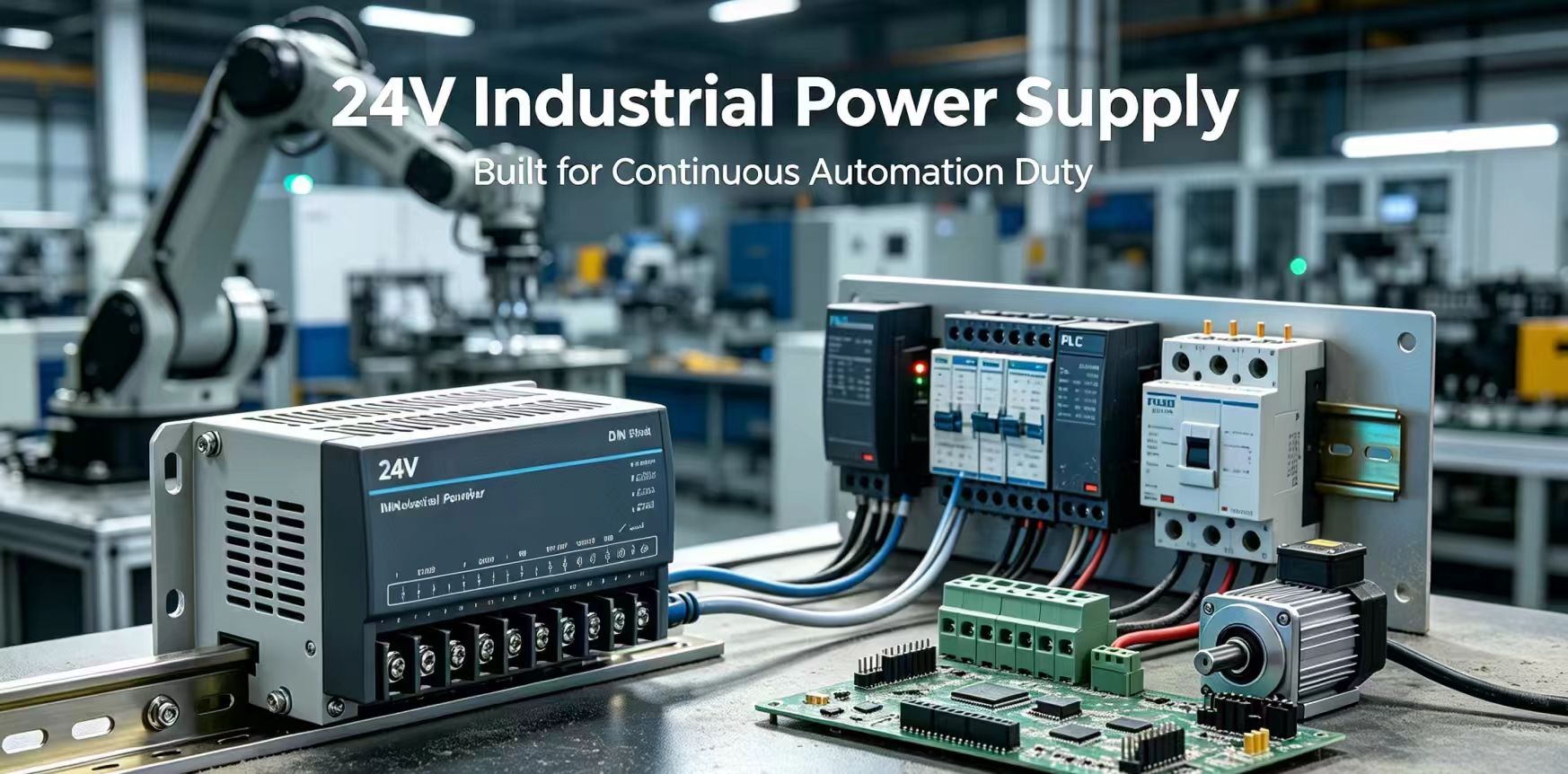
24V Power Adapter Advantages for Industrial Automation Equipment
The 24V power adapter has long been the workhorse of industrial automation, trusted by plant engineers for its rugged reliability in demanding operating environments. Unlike consumer-grade power supplies, an industrial 24V adapter is engineered to handle continuous duty, electrical noise, voltage fluctuations, and extreme temperatures that would cause ordinary units to fail.
Industrial applications place highly mixed loads on the same power system—from sensitive sensors and PLCs to small motors, control panels, relays, and indicators. Each device presents a different challenge: sensors require clean, low-ripple power; motors demand stable voltage during start-stop cycles; and PLCs cannot afford interruptions or dropped communication cycles. An industrial-grade power supply must protect all of them at once.
Our 24V industrial adapter is designed for these real-world conditions. It supports wide voltage input, so sagging or spiking lines from heavy machinery do not trigger downstream downtime. It also delivers stronger interference rejection, helping maintain stable operation near VFDs, welders, and other noisy equipment. Built to withstand wide temperature variations—from hot factory floors to unheated warehouses—it maintains consistent output over long operating hours.
For system integrators and plant engineers, specifying an industrial 24V adapter means more than choosing a power component. It means selecting a power backbone matched to the environment: wide input tolerance, real anti-interference performance, reliable temperature handling, and a duty rating built for years of continuous operation. Datasheets and samples are available on request.
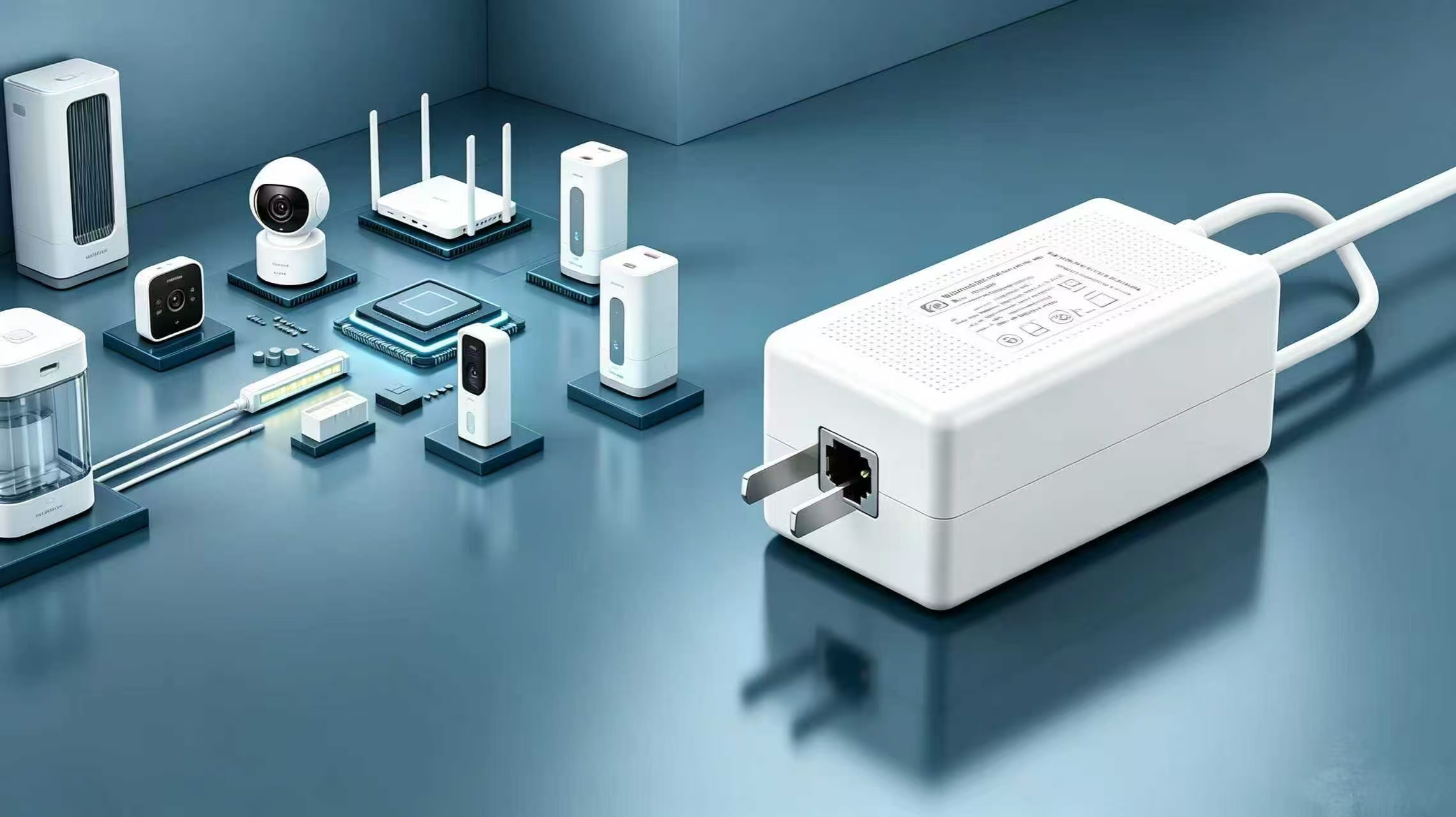
12V Power Adapter: The Best Power Solution for Smart Home Devices
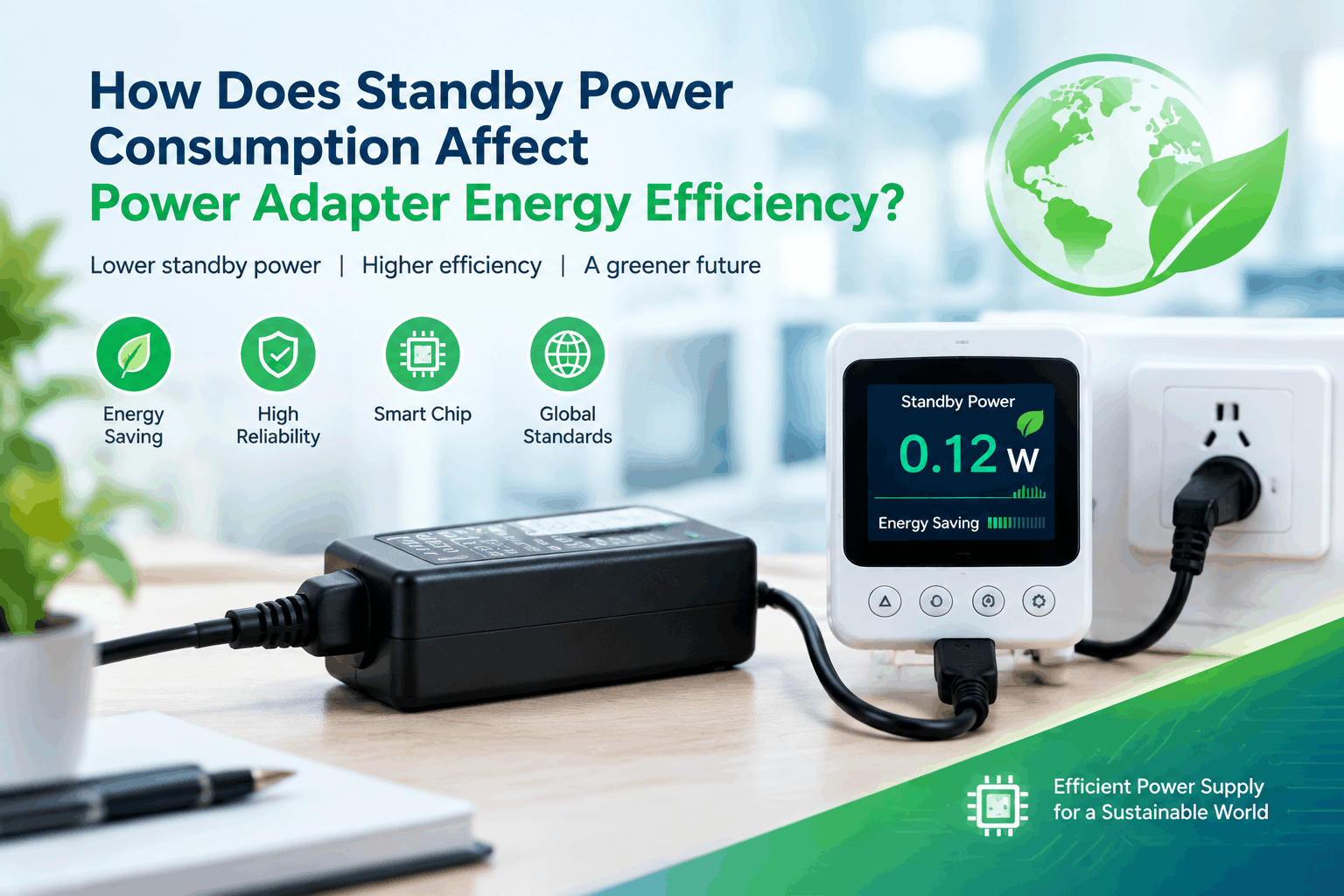
How Does Standby Power Consumption Affect Power Adapter Energy Efficiency?
Standby power consumption is a key indicator to measure the energy efficiency of power adapters, referring to the power loss when the adapter is connected to the power supply but not loaded. Low-quality adapters have high standby power consumption, resulting in long-term energy waste and increased use costs. Our self-developed power adapters adopt energy-saving chip solutions, with ultra-low standby power consumption, fully complying with ERP VI and other international energy-saving standards, helping customers reduce energy consumption and improve product competitiveness.
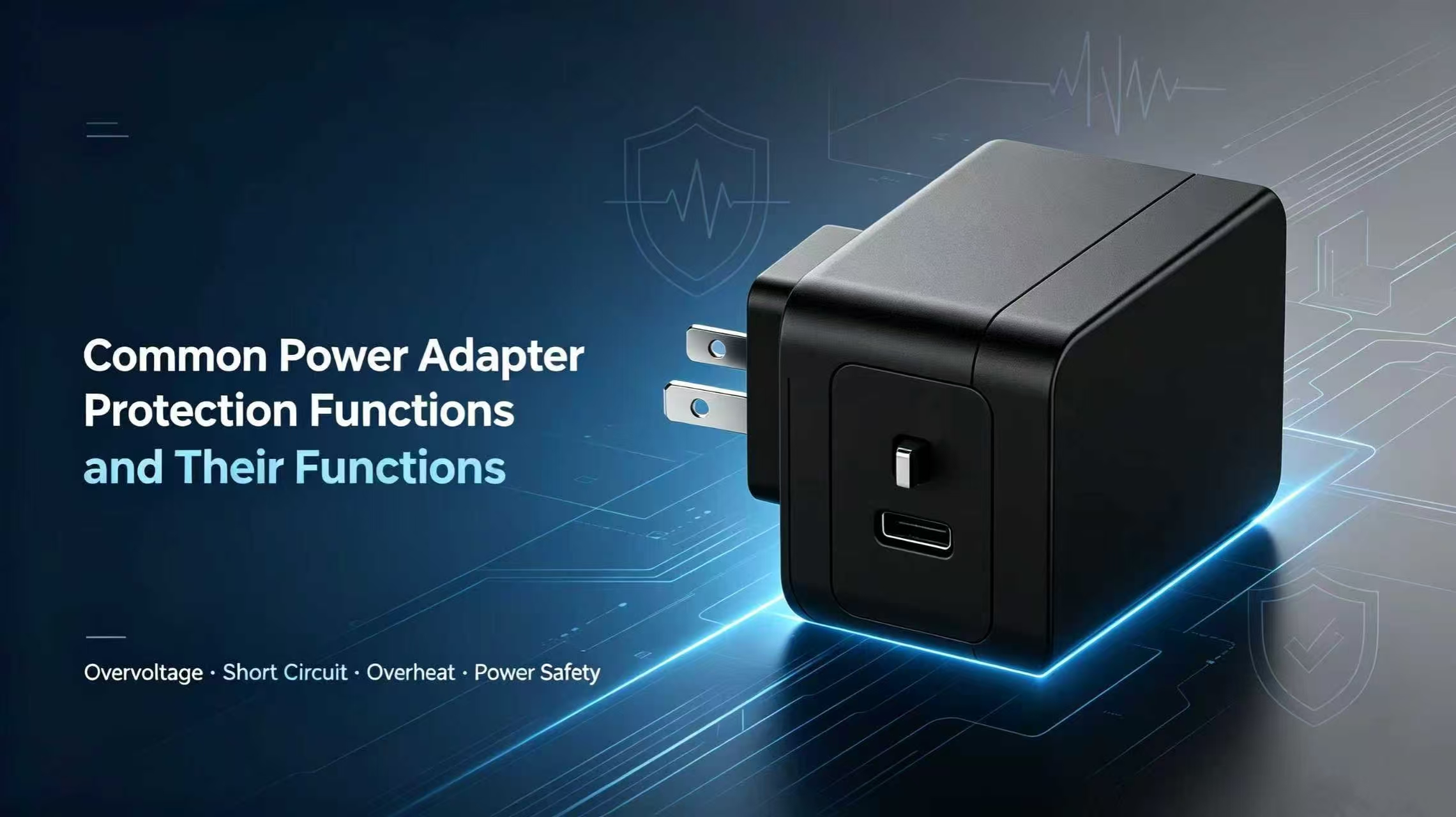
Complete Safety Guide: Common Power Adapter Protection Functions Explained
Learn all core power adapter protection features including overvoltage protection, short circuit protection, overheat protection and power safety tips to select reliable adapters for your business projects.
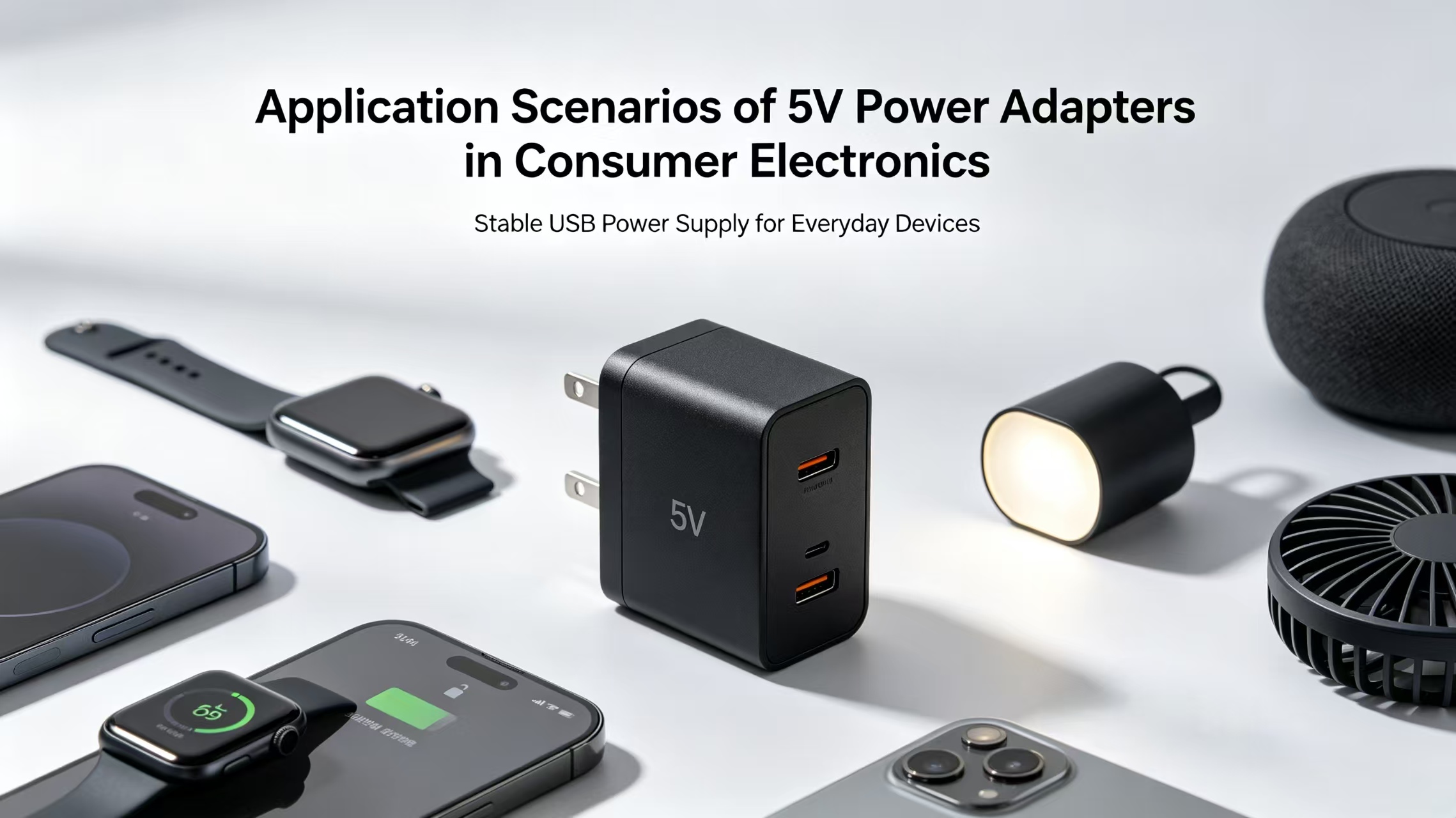
Application Scenarios of 5V Power Adapters in Consumer Electronics
5V power adapters are the most widely used low-voltage power supply products in the consumer electronics industry, covering a variety of daily electronic devices. Common applicable products include mobile phones, tablet computers, Bluetooth speakers, smart watches, USB desk lamps and portable fans. Our 5V power adapters support constant voltage and constant current output, with stable power supply and low ripple, which can meet the long-term stable power demand of low-power consumer electronics. Customized specifications are available for brand customers’ personalized needs.
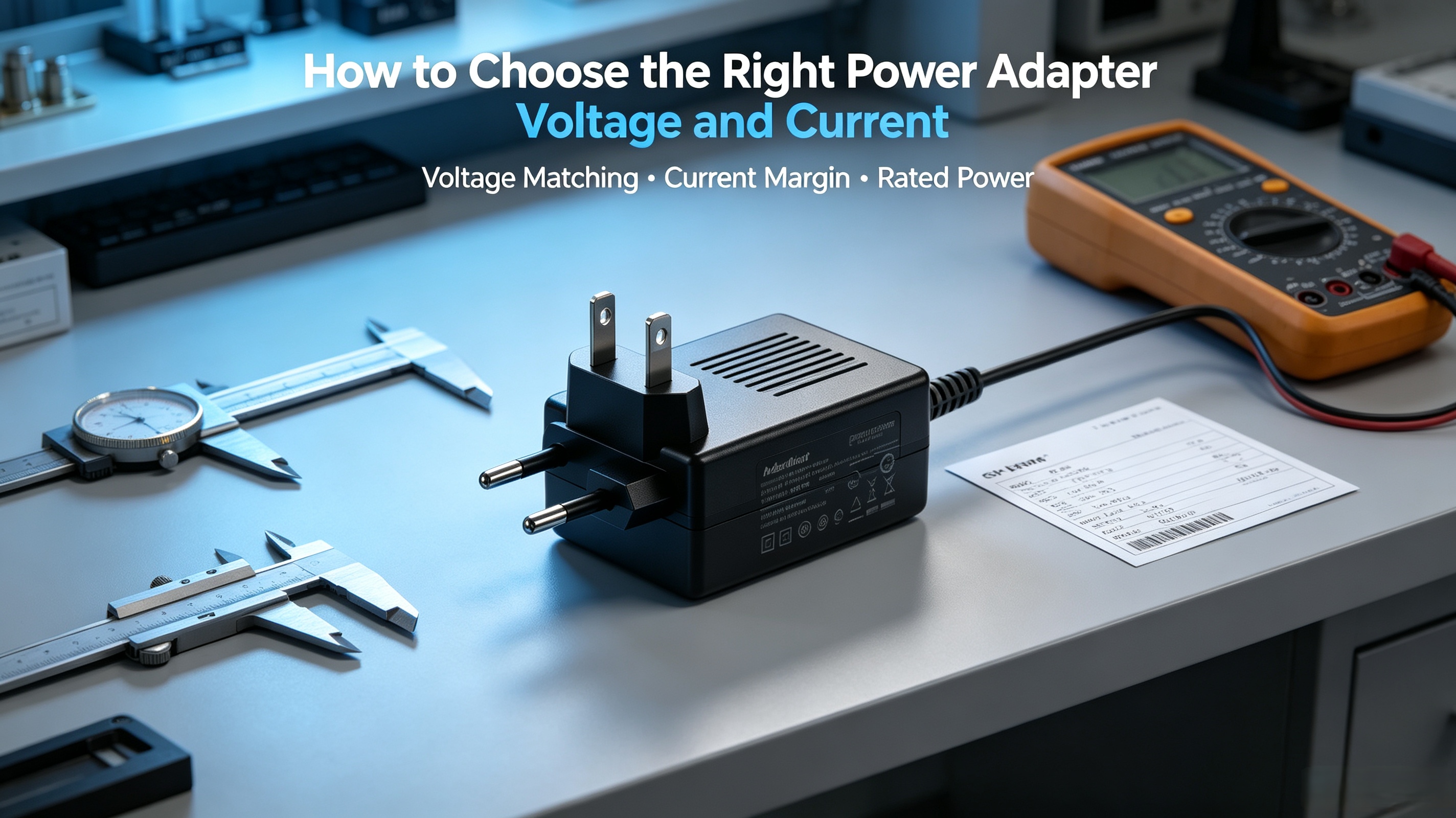
How to Choose the Right Power Adapter Voltage and Current
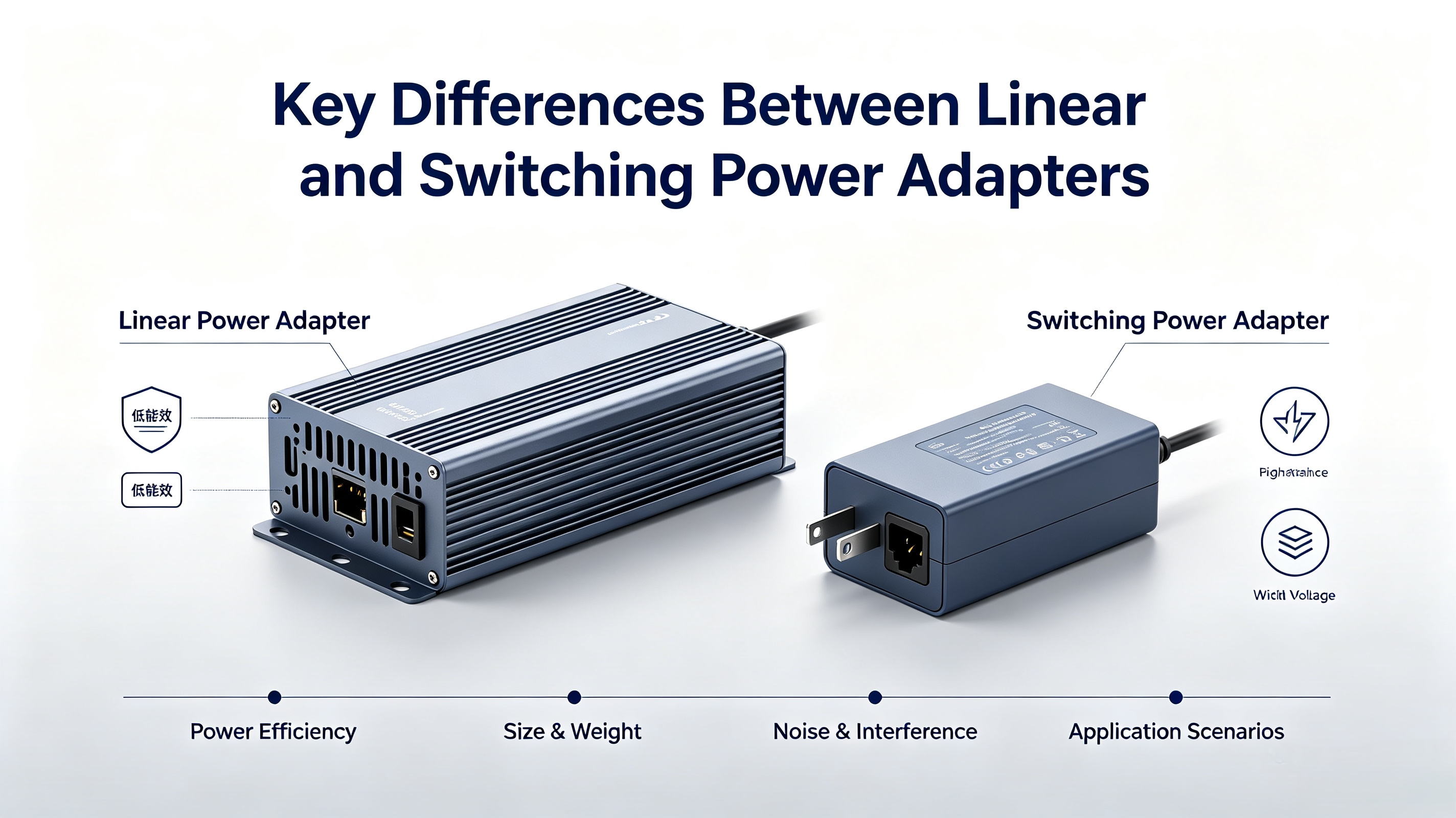
Key Differences Between Linear and Switching Power Adapte
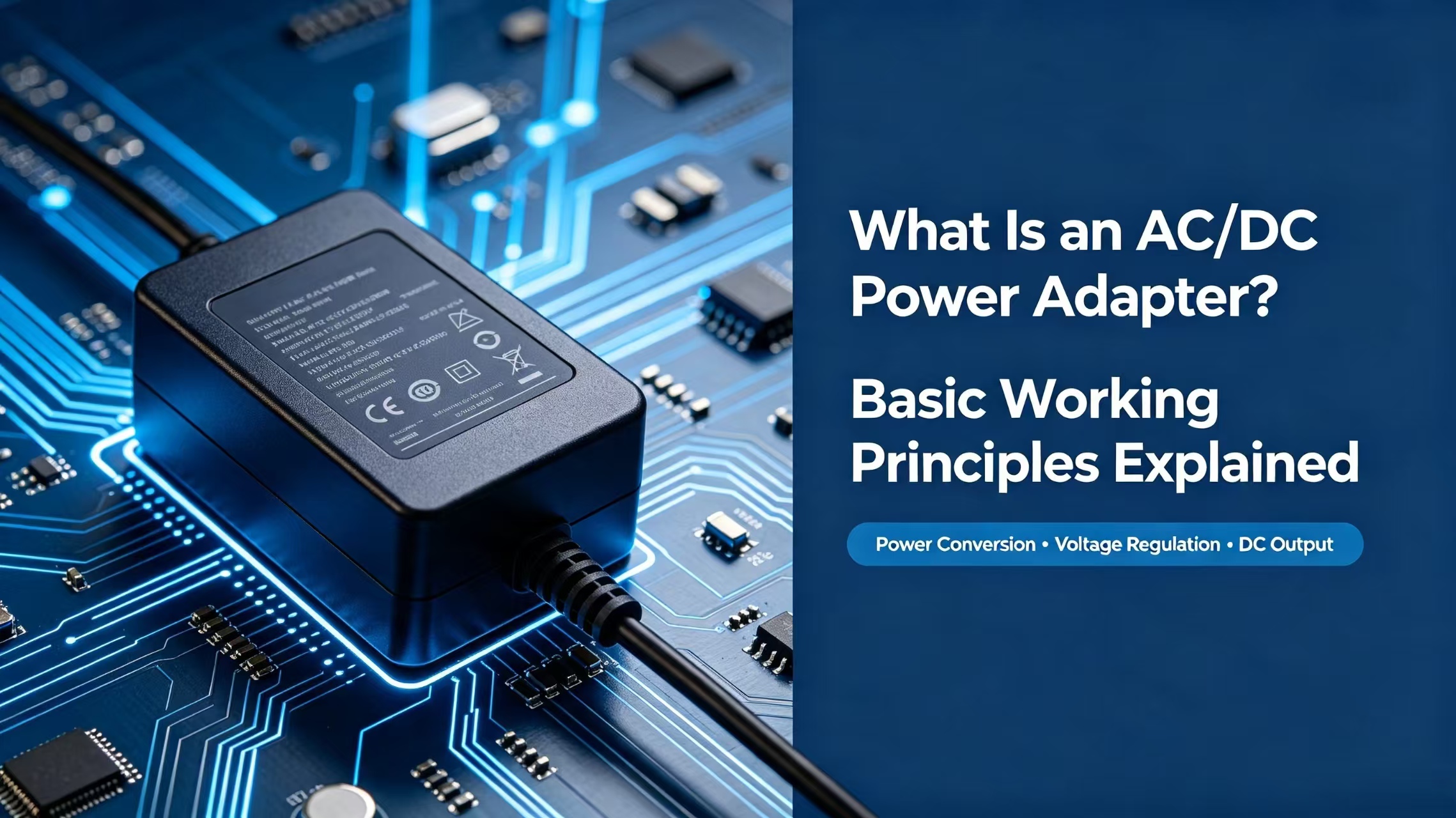
What Is an AC/DC Power Adapter? Basic Working Principles Explained
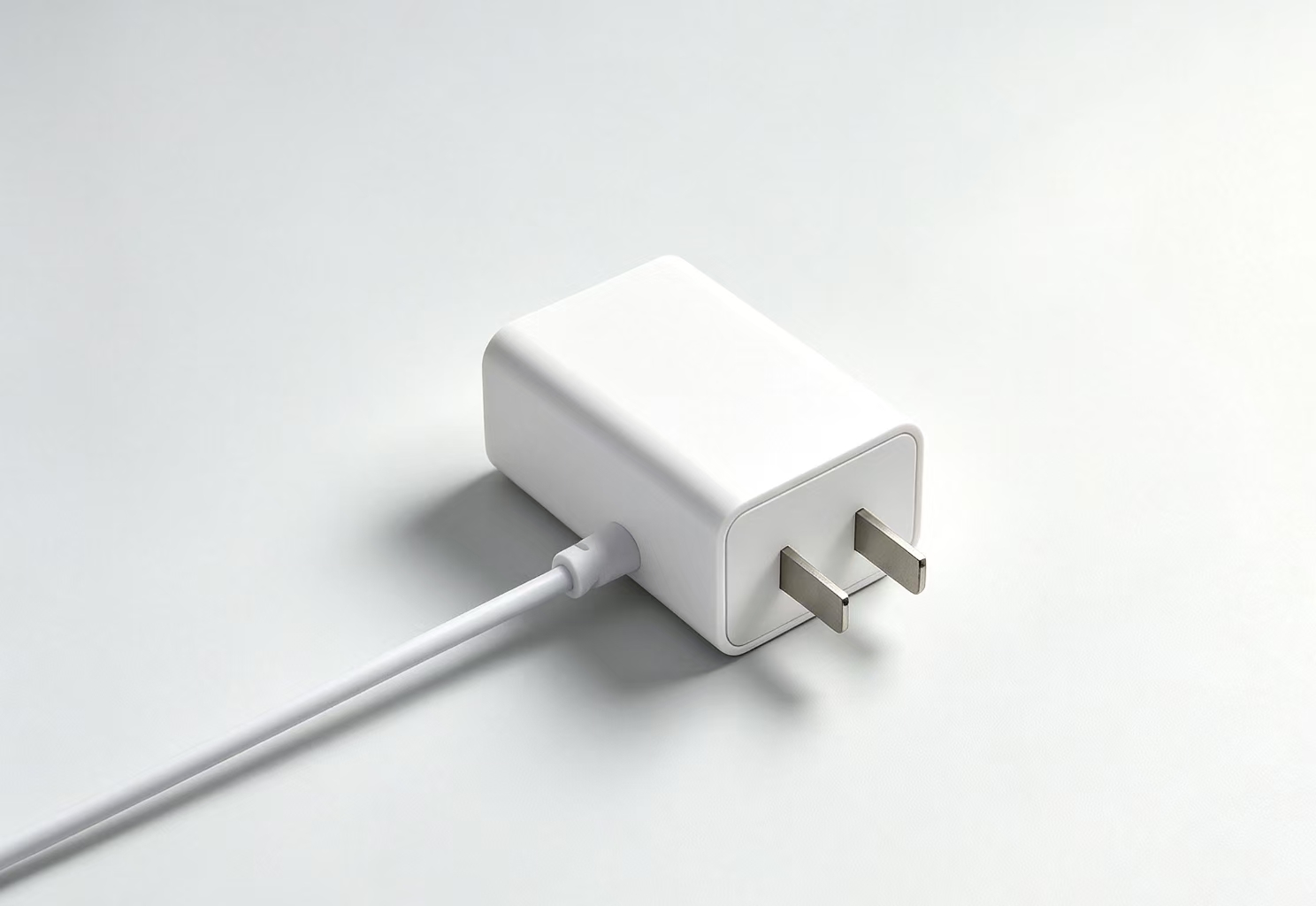
How to Choose the Right AC/DC Power Adapter for Your Electronic Device
Every electronic device depends on a stable and reliable power source. From consumer electronics and smart home products to industrial equipment and medical devices, the power adapter plays a critical role in ensuring safe operation and long-term performance.
Many buyers focus mainly on the appearance, price, or availability of an adapter. However, selecting the wrong power supply can lead to serious problems, including device malfunction, reduced product lifespan, overheating, safety risks, and increased maintenance costs.
For companies purchasing power solutions in bulk, the decision becomes even more important. A suitable power adapter must not only meet the electrical requirements of the equipment but also comply with international safety standards, support production needs, and provide consistent quality over time.
An AC/DC power adapter converts alternating current (AC) from a wall outlet into direct current (DC) required by electronic devices. Although this process sounds simple, adapter design involves many technical factors, including output voltage, current capacity, efficiency, protection features, connector specifications, and certifications.
For purchasing professionals, choosing the right supplier and product requires a clear understanding of these factors. Whether you are developing a new product or replacing an existing power solution, proper power adapter selection can help improve reliability, reduce costs, and create a better user experience.

FuYun Showcases High-Efficiency Power Solutions: Meet the China Ac Dc Power Adapter Manufacturer at Autumn Canton Fair
As the global electronics industry gears up for the upcoming Autumn Canton Fair, international sourcing agents, procurement managers, and technical distributors are focusing their attention on reliable manufacturing partners capable of delivering high-efficiency energy solutions. In an era dominated by smart automation, internet-of-things (IoT) devices, and rapid charging infrastructure, the demand for stable, compliant external power supplies has reached unprecedented heights. Amid this shifting technological landscape, global buyers require manufacturing entities that combine dense research and development capabilities with rigorous, transparent quality management systems. Choosing a certified China Ac Dc Power Adapter Manufacturer involves evaluating far more than raw production capacity; it requires an inspection of technical compliance, supply chain traceability, and specialized engineering expertise across diverse application fields.