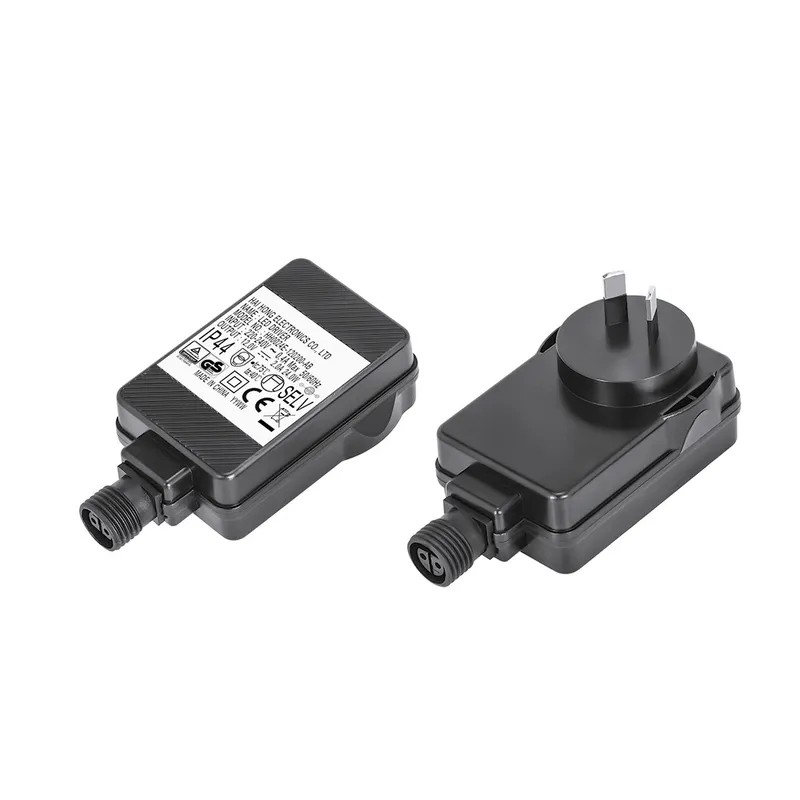
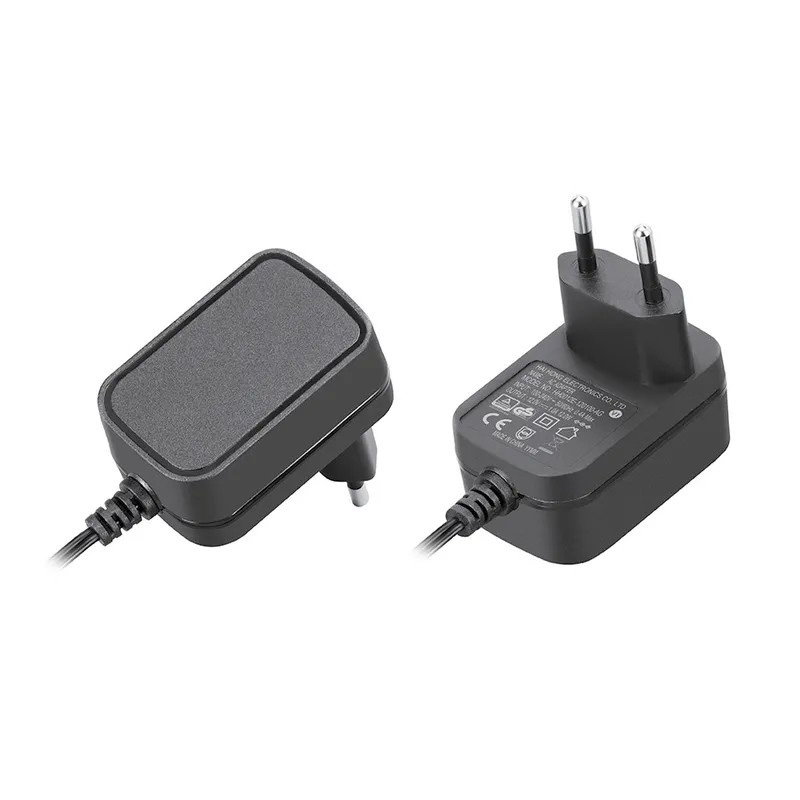
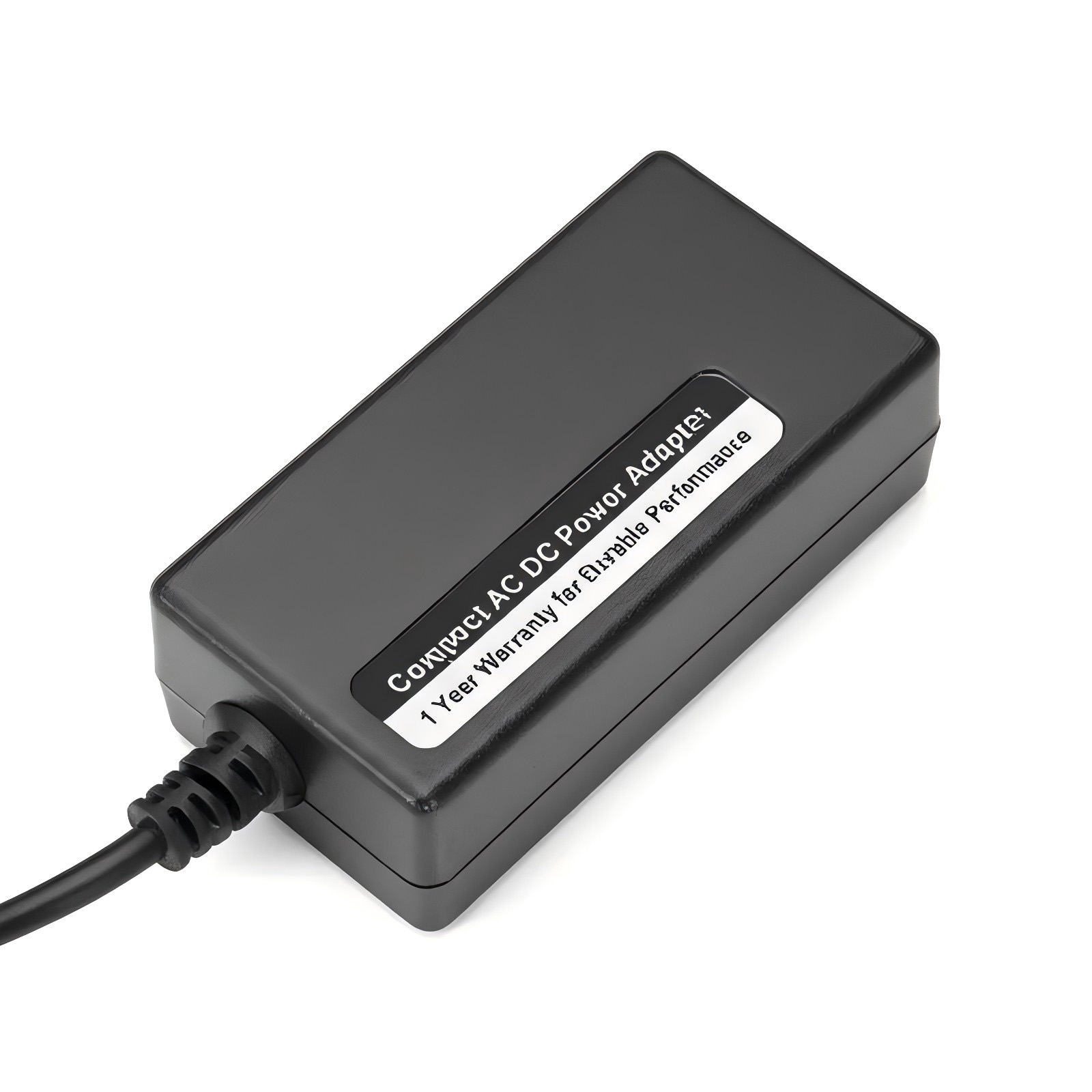
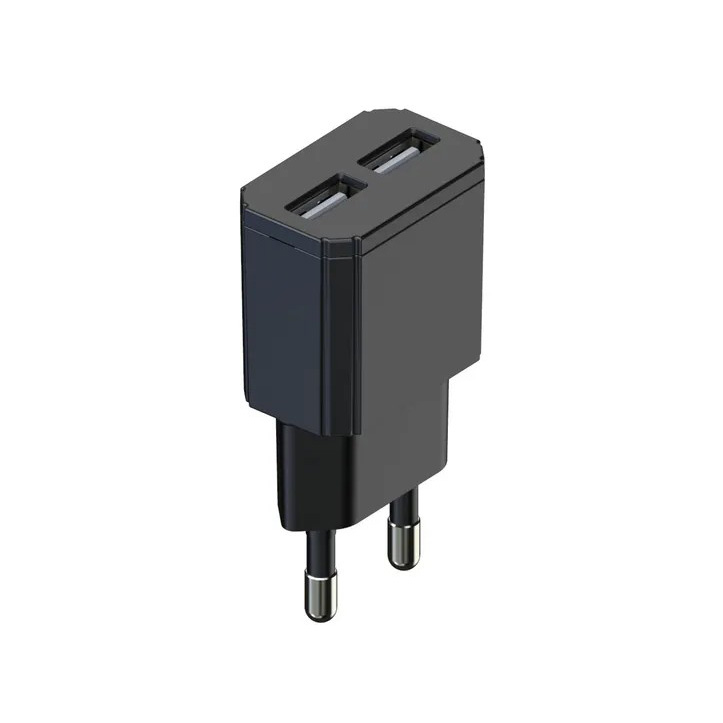
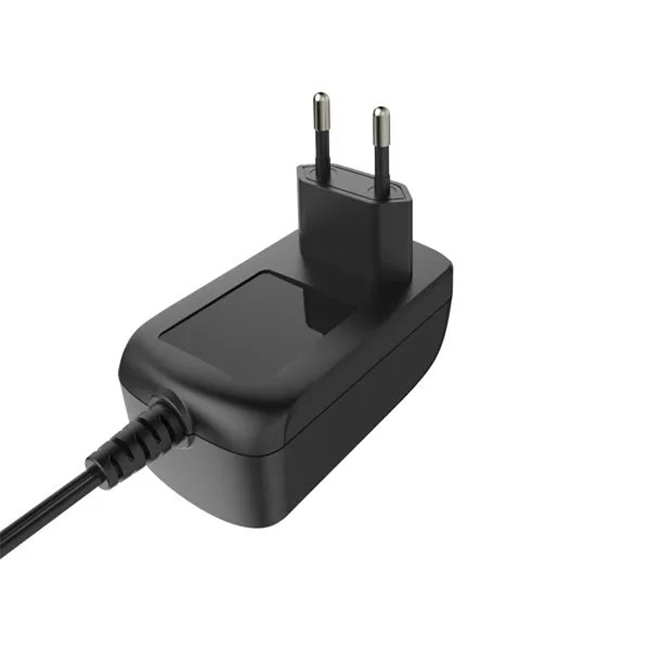
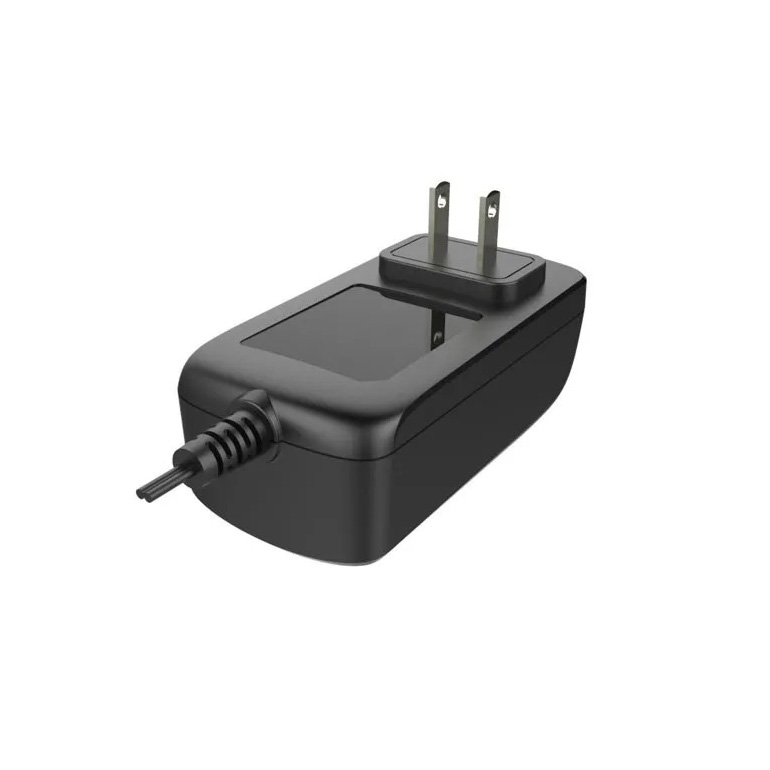
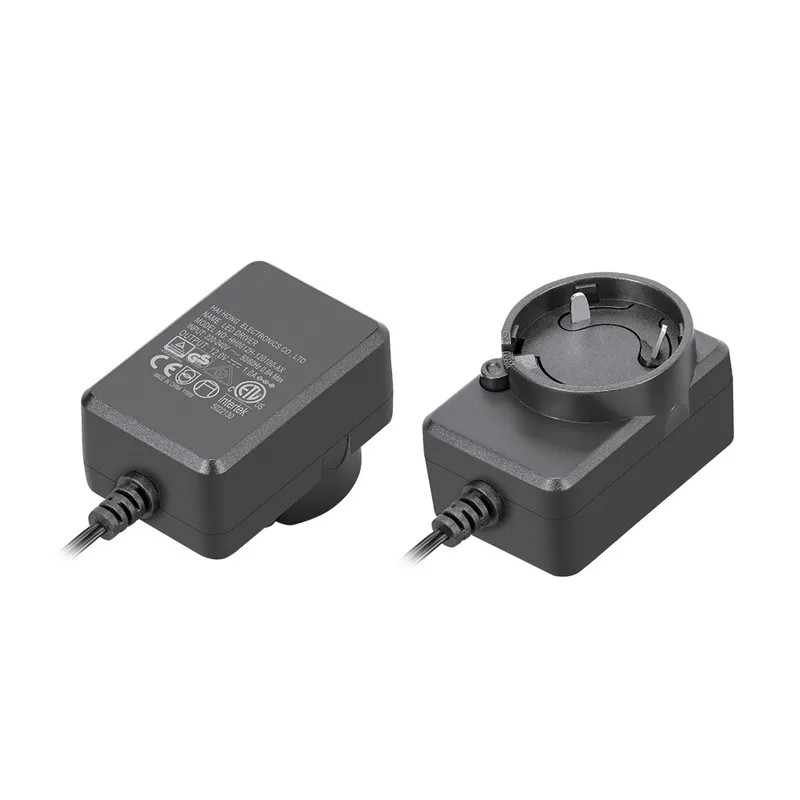
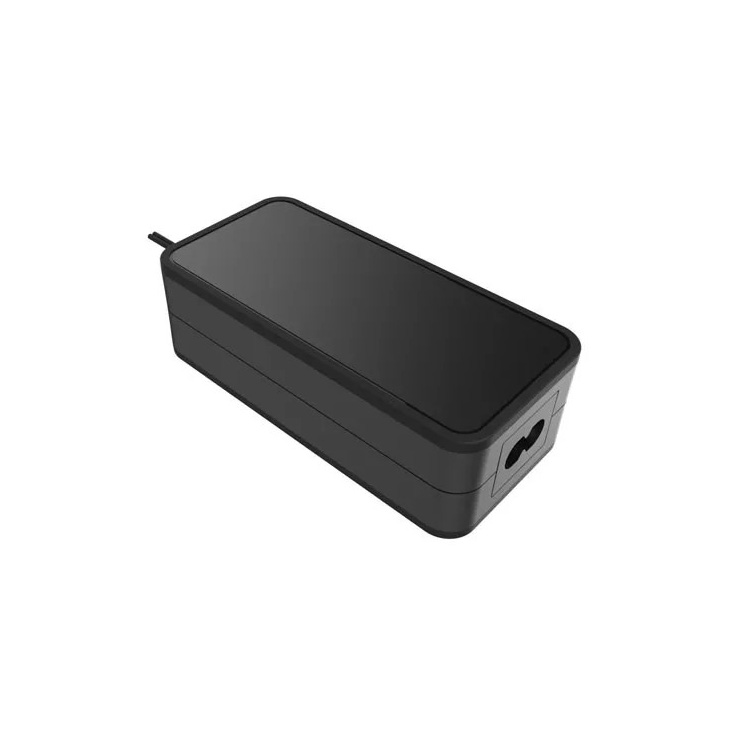
These high-efficiency power adapters are engineered for seamless integration into medical devices, ensuring absolute safety compliance and durable performance in EMS environments.
In the modern healthcare sector, the reliability of medical electronics is a matter of patient safety and life preservation. Contract Electronic Manufacturing (EMS) providers and product assembly partners operate at the heart of this industry. When assembling complex medical devices—ranging from portable ultrasound scanners to patient monitoring systems—the selection of the power supply unit (PSU) is one of the most critical decisions. A Medical AC Adapter is not merely an accessory; it is a vital component that must meet stringent global safety standards while delivering consistent, clean power.
For EMS providers, sourcing the right medical AC adapter involves navigating a web of international regulations, technical parameters, and supply chain variables. Unlike consumer electronics, medical-grade power adapters must comply with the IEC 60601-1 standard, which governs the safety and essential performance of medical electrical equipment. This standard details the requirements for Means of Patient Protection (MOPP) and Means of Operator Protection (MOOP), demanding that power adapters have double isolation, low leakage current, and robust electromagnetic compatibility (EMC).
As medical devices become more compact, portable, and interconnected, the demand for high-density, highly efficient power adapters has skyrocketed. Contract manufacturers must work closely with component suppliers to ensure that the integrated adapters can withstand continuous operation, thermal stress, and electrical fluctuations without compromising safety.
Ensuring double isolation barriers to protect patients from hazardous leakage current, satisfying the rigorous IEC 60601-1 standard.
Leveraging modern semiconductor topologies to fit maximum output (up to 150W) into highly compact, fanless enclosures.
100% testing and recording protocols matching ISO 13485 requirements for medical component traceability.
The landscape of medical product assembly is undergoing a rapid evolution driven by technological advancements. One of the most significant shifts is the adoption of Gallium Nitride (GaN) technology in AC/DC power conversion. GaN-based transistors switch faster and lose less energy as heat compared to traditional silicon components. This allows manufacturers to design medical AC adapters that are significantly smaller, lighter, and more energy-efficient (often exceeding 92% efficiency).
For contract electronic manufacturers, smaller power adapters translate to more compact end-product designs, reduced shipping costs, and improved thermal management within the medical device enclosure. Since medical devices are often used in sterile, fanless environments to prevent the spread of pathogens, minimizing heat generation from the power adapter is paramount.
Modern hospitals are densely populated with wireless communication devices, high-frequency surgical tools, and sensitive diagnostic sensors. In this electronically noisy environment, electromagnetic interference (EMI) can cause critical medical equipment to fail or display inaccurate readings. Therefore, medical AC adapters must feature advanced EMI filtering and shielding to meet the IEC 60601-1-2 (4th Edition) EMC standards. EMS assembly partners must verify that the chosen adapter does not emit disruptive electromagnetic radiation and is sufficiently immune to external disturbances.
Environmental sustainability is no longer an afterthought in industrial electronic manufacturing. Medical AC adapters must comply with global energy efficiency regulations, such as the US Department of Energy (DoE) Level VI and the European Union's Code of Conduct (CoC) Tier 2. These standards mandate strict limits on active-mode efficiency and no-load power consumption. By incorporating eco-design principles, EMS providers help healthcare institutions reduce their carbon footprint and overall energy costs.
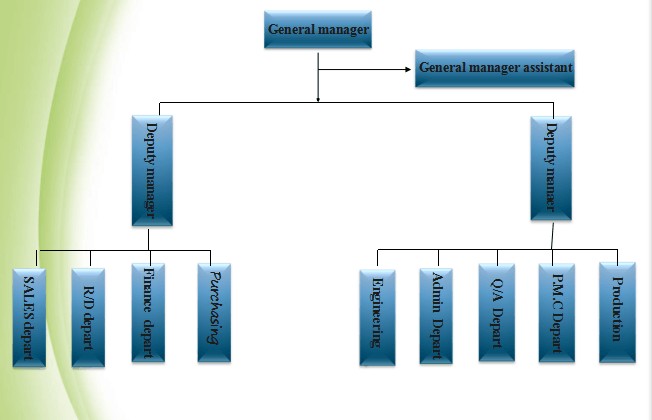
FuYun (RUIYU) Technology operates like a closely-knit family. We emphasize seamless teamwork and cross-departmental cooperation to deliver unmatched support to our contract manufacturing partners. Our specialized departments work in harmony to ensure that every medical AC adapter meets strict industry standards:
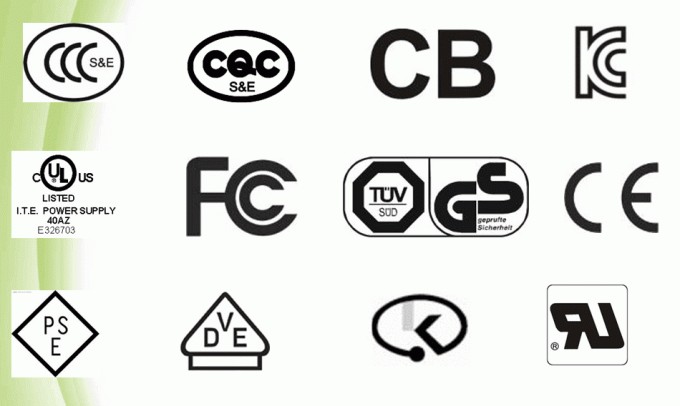
Designing cutting-edge medical adapters aligned with market trends, safety regulations, and bespoke client requirements while obtaining critical global safety approvals.
Sourcing high-quality, traceable raw materials based on active orders, securing reliable supply chains to guarantee on-time delivery.
Performing rigorous testing on incoming raw materials and components to prevent defects before they reach the assembly line.
Executing high-precision manufacturing schedules following strict SOPs once materials pass quality control inspection.
Managing customer communications, quotations, pricing adjustments, sample confirmations, shipping logistics, and post-sale technical support.
Our sales and engineering teams offer round-the-clock service to global partners via email, telephone, WeChat, Skype, and Facebook, ensuring clear communication across time zones.
We strongly believe in becoming your trusted long-term business partner. Let us show you our commitment from day one!
"Offering you our best is what we must do for you!"To understand the rigorous demands placed on medical AC adapters, it is helpful to look at specific clinical application scenarios where these devices are integrated by contract manufacturers:
Devices like handheld ultrasound machines, portable ECG monitors, and blood analyzers are frequently moved between hospital wards, clinics, and emergency vehicles. These devices require lightweight, external AC adapters that can charge internal batteries quickly and safely. The adapter must offer high efficiency to avoid overheating, as these devices are often enclosed in sealed, dust-proof casings. Additionally, they must have robust strain relief and impact-resistant housings to withstand the physical demands of mobile healthcare environments.
Continuous patient monitors track vital signs such as heart rate, oxygen saturation, and blood pressure. These systems run 24/7 and are directly connected to patients who may be in critical condition. In this scenario, the medical AC adapter must exhibit extremely low leakage current (less than 100 µA) to prevent micro-shocks. High MTBF (Mean Time Between Failures) is vital, as any power interruption could lead to a loss of patient monitoring data.
With the rise of telemedicine and home care, devices like CPAP machines, oxygen concentrators, and home dialysis equipment are increasingly operated by non-professionals. Power adapters for home use must meet the IEC 60601-1-11 standard, which specifically addresses the unique challenges of the home environment. These adapters need to be Class II (without a safety ground wire) to ensure safety even when plugged into ungrounded home wall outlets, and they must have a high degree of ingress protection (IP class) against moisture and dust.
In the operating room, surgical lights, endoscopy cameras, and insufflators require clean, interference-free power. The power adapter must not interfere with delicate imaging signals or other surgical devices. EMS assembly partners must perform comprehensive system-level EMC testing to ensure that the integrated adapter operates harmoniously with the rest of the surgical suite.

At RUIYU Technology, we boast modern production equipment and state-of-the-art testing instruments. Our standard lead time is exceptionally fast—just 15 to 20 days after receiving order confirmation. To guarantee that every adapter meets our uncompromising quality benchmarks, we employ 30 dedicated QA/QC professionals who monitor and test each unit at every stage of the production cycle.
We strictly adhere to ISO9001 standards and implement rigorous Standard Operating Procedures (SOPs). Every adapter undergoes 100% full-load burn-in testing, dielectric strength testing, and leakage current verification before packaging and shipping. Furthermore, we maintain detailed production records for years to ensure complete traceability for every single unit shipped.
"High quality standard and best service should make us win to win!"
For contract electronic manufacturers, managing the supply chain for medical-grade components is a complex task. Component shortages, regulatory updates, and shipping delays can disrupt production schedules and delay product launches. Partnering with a flexible, agile adapter manufacturer like FuYun (RUIYU) Technology mitigates these risks.
By offering short lead times (as low as 15 days) and keeping a buffer of backup units (0.1% of total order volume), we help EMS partners maintain lean manufacturing pipelines without risking stockouts. In addition, our ability to provide free samples for functional and safety testing allows design engineers to validate the power supply early in the prototyping phase, preventing costly redesigns later.
Every medical device assembly project has unique physical and electrical constraints. While standard off-the-shelf adapters work for many applications, some projects require customized solutions. This can include custom cable lengths, specific output connectors (such as locking DC jacks or USB-C Power Delivery), custom labeling, or specialized housing colors (such as clinical white). Our R&D team specializes in OEM/ODM services, working alongside EMS engineers to customize adapters that fit perfectly into the final product packaging and assembly flow.
We are dedicated to offering superior products and proactive support to build stable, long-term partnerships with our clients. Here is what we bring to every contract assembly project:
Explore our complete catalog of certified power solutions, optimized for electronic manufacturing, device assembly, and international medical compliance.