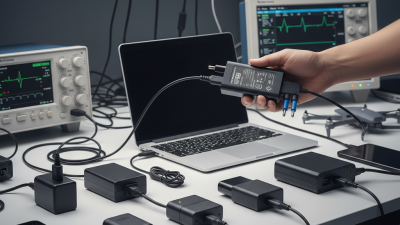
Lately, it’s pretty clear that USB car chargers have taken off in popularity. I mean, if you look at the numbers, the global market for these things is expected to hit around $3 billion by 2025—no small feat. A big reason? We’re all more dependent than ever on our smartphones and gadgets to stay connected, even while on the road. John Smith, CEO of ChargeTech, put it well when he said, 'As more folks rely on USB devices in their cars, the need for reliable, efficient chargers just keeps climbing.'
Car chargers are super handy when you're out and about. They let you charge a bunch of devices at once—which honestly makes trips way more convenient. That said, not all chargers are made equal. A lot of people still run into compatibility headaches, especially when it comes to different USB types. Take a look at the differences between USB-C and USB chargers—it can get pretty confusing sometimes.
Of course, charging your devices on the go is great, but it’s easy to forget about safety. Using a cheap or faulty charger could really mess up your device, or even damage your car’s electrical system. There are industry standards in place, but how strictly they’re followed can vary. So, it’s a smart move to stick with known, reputable brands. After all, making sure you’re using a quality, safe product is way more important than saving a few bucks in the long run, especially in a market that’s constantly evolving.
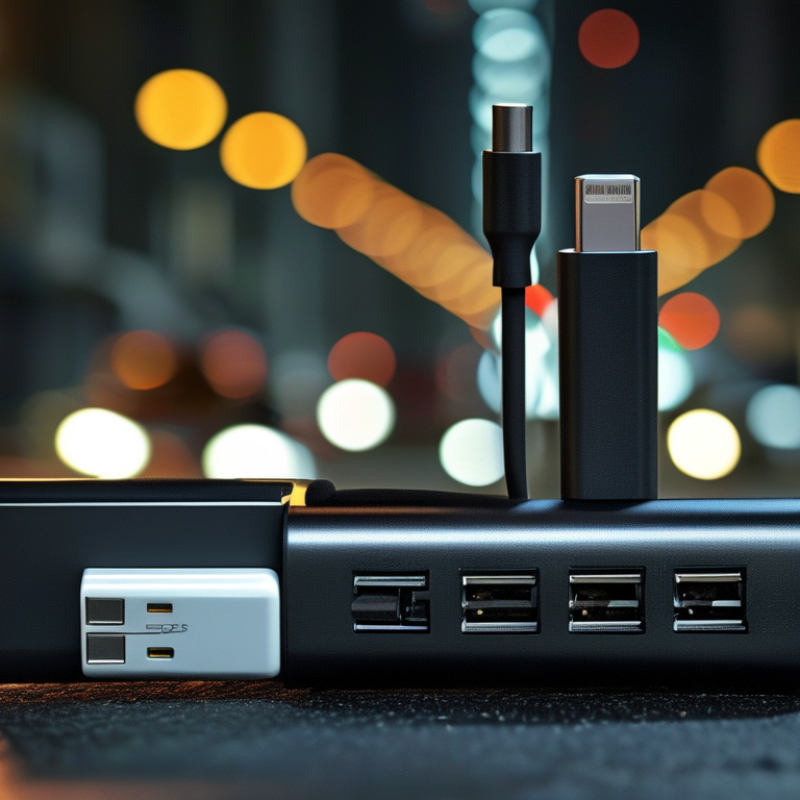
What is a USB Car Charger?
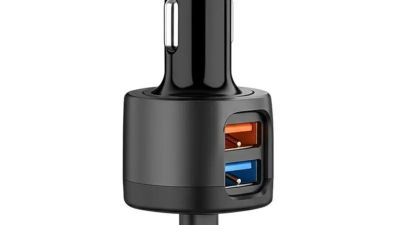
A USB car charger is a convenient device that allows you to charge your electronic devices while on the go. It connects directly to the car’s power outlet, converting the car's 12V power into a usable 5V for USB devices. This charging method is efficient and saves you from the hassle of draining your device's battery.
Unlike traditional chargers, a USB car charger typically features multiple ports. This enables charging several devices at the same time. It is important to know that not all chargers are created equal. Some may charge slowly while others could overheat. Always check the specifications to ensure safe and effective charging.
The compact design of USB car chargers makes them easy to store. However, despite their utility, these devices can be overlooked. Users often forget to check their car chargers for damage or wear and tear. This can lead to frustration when your devices do not charge properly. Regularly inspecting your USB car charger can help ensure it works when you need it most.
Components of a USB Car Charger
A USB car charger consists of several key components that work together to deliver power to your devices. The heart of any car charger is its power conversion module. This module transforms the car's 12V electrical supply into a lower voltage suitable for charging devices. Usually, devices require 5V for charging. Without this conversion, your devices could be damaged.
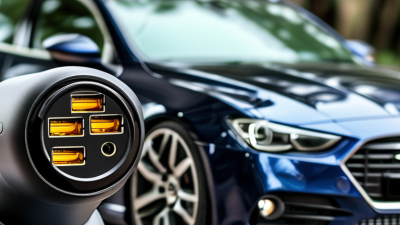
Another crucial component is the USB port itself. Most car chargers feature multiple USB ports. This allows you to charge multiple devices simultaneously. Each port may also have its own output specifications, affecting charging speed. Consequently, understanding the output power ratings is important for efficient charging. It's easy to get frustrated when one port charges slower than expected.
The protective circuitry deserves attention too. It safeguards your devices against overheating, overcurrent, and short circuits, reducing risks of damage. However, not all car chargers are equal. Some may lack comprehensive protection features. This can be a concern if you frequently charge sensitive devices. Always make sure to invest in a reliable USB car charger.
What is USB Car Charger and How Does it Work? - Components of a USB Car Charger
| Component |
Description |
Function |
| Input Port |
Connects to the vehicle's power supply, typically via the cigarette lighter socket. |
Provides electrical power to the charger from the car. |
| Voltage Regulator |
Controls the output voltage and ensures it is stable. |
Protects devices by preventing over-voltage. |
| USB Ports |
Connectors for plugging in USB cables to charge devices. |
Transmits power to the devices being charged. |
| Safety Features |
Includes fuses, over-current protection, and short-circuit protection. |
Prevents damage to both charger and device from electrical issues. |
| LED Indicator |
Displays the charging status of connected devices. |
Informs users about whether devices are charging or fully charged. |
How USB Car Chargers Convert Power
USB car chargers are essential tools for powering devices while on the road. They work by converting your car’s electrical output into a format compatible with your electronics. This typically involves transforming 12 volts from your vehicle’s battery to 5 volts, which is necessary for charging most gadgets like smartphones and tablets. The device plugs into your car's power outlet, using a USB port to deliver energy effectively.
These chargers come with various features, such as multiple ports and fast-charging capabilities. When shopping for a Usb C Car Charger Adapter, look for models that provide adequate power for your specific devices. It’s important to check the amp rating, as this determines how quickly your devices will charge. Some chargers may overheat or create noise if they aren't up to standard, serving as a reminder to choose wisely.
Consider compatibility when selecting a USB C car charger adapter. Not every device charges at the same rate or needs the same power. Pay attention to your device specifications and the charger’s output. A good practice is to read reviews and ensure the charger has safety certifications. This can help prevent potential issues, such as overcharging or short circuits. Always keep an eye on your charging devices for any signs of wear or malfunction.
Understanding Charging Speeds and Protocols
USB car chargers have become essential accessories, enabling drivers to stay connected on the go. To understand their effectiveness, it’s important to delve into charging speeds and protocols. Various charging speeds vary significantly among devices. A standard USB-A port typically delivers 5 watts, while newer USB-C ports can provide up to 60 watts. According to a report from the International Electronics and Electrical Engineers (IEEE), this difference can affect how quickly devices recharge.
Fast charging is contingent on various protocols. USB Power Delivery (PD) and Quick Charge are widely recognized. Devices compatible with these protocols charge faster by negotiating power requirements. For instance, a device using USB PD can communicate to receive higher wattage without risking damage. Research indicates that using the correct protocol can cut charging time by over 50%, enhancing user convenience.
When choosing a USB car charger, consider the device compatibility. Not all chargers support every protocol. Mismatched chargers may lead to slow charging or even potential damage. Understanding these details can prevent frustration. Remember that charging speeds can vary based on cable quality and environmental conditions. Awareness of these factors helps users optimize their charging experience.
Safety Features of USB Car Chargers
USB car chargers have become essential for modern drivers. These devices not only supply a power source for mobile devices, but they also contain several safety features designed to protect both the charger and connected devices. Many chargers incorporate overcurrent protection. This feature prevents excessive current from damaging a device or the charger itself. According to the International Electrotechnical Commission, a quality charger should include this safety measure to avoid risks related to overheating and fire hazards.
Another critical safety aspect is overvoltage protection. This feature ensures that devices receive a stable voltage level, preventing fluctuations that could lead to device malfunction. Data from the Consumer Electronics Association indicates that chargers with built-in voltage regulation significantly reduce the chances of battery damage. Additionally, many USB car chargers now offer temperature control mechanisms. These systems monitor the charger’s temperature during operation, minimizing the potential for thermal runaway, which can occur in extreme conditions.
Despite these advancements, not all USB car chargers are created equal. The proliferation of inexpensive options can lead to unreliable safety features. Users should be cautious when selecting a charger; poor-quality products may lack essential protections. Conducting research, such as checking online reviews and ratings, is vital. While the market offers many chargers, prioritizing safety features should guide purchasing decisions.
Comparative Analysis: USB Car Chargers vs. Traditional Chargers
USB car chargers have transformed the way we power our devices on the go. They are compact, efficient, and easy to use. Unlike traditional chargers, which often use bulky adapters, USB car chargers directly connect to a car’s power outlet. This simplicity makes them more convenient for those who frequently travel. They offer various power outputs to accommodate different devices. Many models, like the Dual Usb Type C Car Charger, can charge multiple devices simultaneously, catering to the needs of families or groups.
However, traditional chargers still hold some advantages. They typically have a higher output, which can lead to faster charging times. Additionally, traditional chargers often have more robust build quality. This allows them to withstand wear and tear better than their USB counterparts. The learning curve for using USB chargers can also be steep for some users, especially those unfamiliar with device compatibility. It’s essential to consider both the convenience of a USB car charger and the reliability of traditional chargers. Each has its strengths, and users should assess their requirements before making a choice.
Choosing the Right USB Car Charger for Your Vehicle
Choosing the right USB car charger for your vehicle can make a big difference in your driving experience. It's essential to consider the charging speed and compatibility with your devices. Usb Type C Fast Car Chargers are popular for their ability to deliver quick charging times. They can power up devices rapidly during your commute or road trip.
Pay attention to the output specifications of the charger. Some chargers offer multiple USB ports, which can be beneficial for families or anyone with multiple devices. However, not every charger provides optimized output for all devices. Take time to research and ensure your chosen charger can handle everything from smartphones to tablets efficiently.
Another aspect to think about is the build quality. Some chargers may overheat or fail after a few uses, which can be frustrating. Reading user reviews can provide insights into reliability. Don't overlook the importance of safety features either. Overcurrent protection and short-circuit prevention can safeguard your devices during charging. Ultimately, a little extra effort in choosing a reliable USB Type C fast car charger can lead to a more enjoyable journey.
USB Car Charger Output Comparison
Maximize Your Charging Potential: The Advantages of Dual USB Car Chargers for Smartphones and Tablets
Dual USB car chargers are becoming increasingly essential for modern mobile device users, especially for those who rely on their smartphones and tablets during travel. With the ability to charge multiple devices simultaneously, these chargers offer convenience and efficiency, ensuring that both your smartphone and tablet are powered up and ready to go whenever you need them. The compact design allows for easy storage, making them a perfect travel companion for any road trip or daily commute.
Choosing a dual USB car charger not only maximizes your charging potential but also provides several advantages that cater to the needs of tech-savvy individuals. With varying models available, users can select chargers that accommodate their specific requirements, whether for quick charging on the go or for more extensive power needs. Additionally, the availability of multiple units at cost-effective prices makes it an attractive option for businesses or personal use, ensuring that everyone can stay connected without delays.
The dual USB feature enhances the versatility of the charger, allowing you to charge a smartphone while simultaneously powering up a tablet. This eliminates the hassle of having to wait for one device to charge before starting on another, keeping your digital life uninterrupted. With a robust supply capability, these dual chargers provide a reliable solution for anyone looking to enhance their mobile experience while driving.
FAQS
: A USB car charger allows charging electronic devices via the car’s power outlet. It converts 12V to 5V.
Many USB car chargers have multiple ports for charging several devices simultaneously. However, performance may vary.
Always inspect the charger for damage. Check specifications for charging speed and protective features.
Key components include the power conversion module, USB ports, and protective circuitry to prevent overheating.
User reviews provide valuable insights about reliability and performance. Some chargers may overheat or fail quickly.
Consider charging speed, compatibility, and the number of USB ports. Some chargers might not handle all devices well.
Ignoring checks can lead to frustration when devices fail to charge. Regular inspection is essential for reliability.
No, not all chargers are created equally. Some lack important safety features, which can risk your devices.
Chargers may have varying speeds. Some ports may charge slower than expected, causing delays in device use.
Look for overcurrent protection and short-circuit prevention to keep your devices safe during charging.
Conclusion
A USB car charger is a compact device designed to provide power to electronic devices while on the go. Comprised of various components such as input ports and circuitry, it efficiently converts the car's power supply into a suitable format for charging gadgets like smartphones and tablets. Understanding the charging speeds and protocols is crucial, as they determine how quickly devices can charge, while safety features help protect against overcharging and overheating.
When comparing USB car chargers to traditional chargers, the former typically offers greater convenience and versatility, enabling multiple device charging simultaneously. To choose the right USB car charger for your vehicle, consider factors such as compatibility with your devices, charging speed, and safety features. With these insights, users can make informed decisions to ensure their devices are always powered up during travel.