


PD Power Adapter
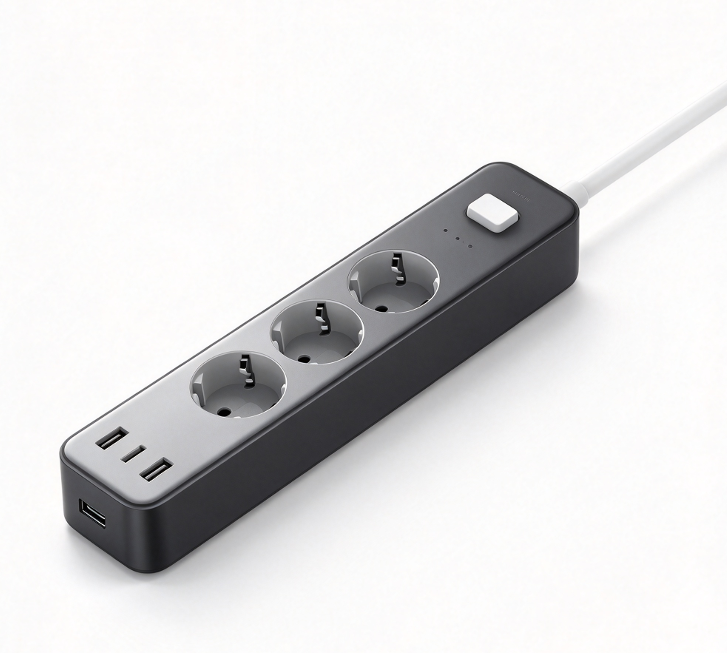
- Smart Power Strip
- Multi Function Hand Blender
- Vacuum Cleaning Robot
- USB Car Charger
- Fast Mobile Charger
- Open Frame Switching Power Supply
- Desktop Switching Power Supply
- Desktop Power Adapter
- Medical AC Adapter
- Universal Travel Adapter
- Universal USB AC Adapter
- AC Switching Power Supply
- PD Power Adapter
- Wall Mount Power Adapter
- Universal AC Power Adapter
- AC DC Power Adapter
0102030405
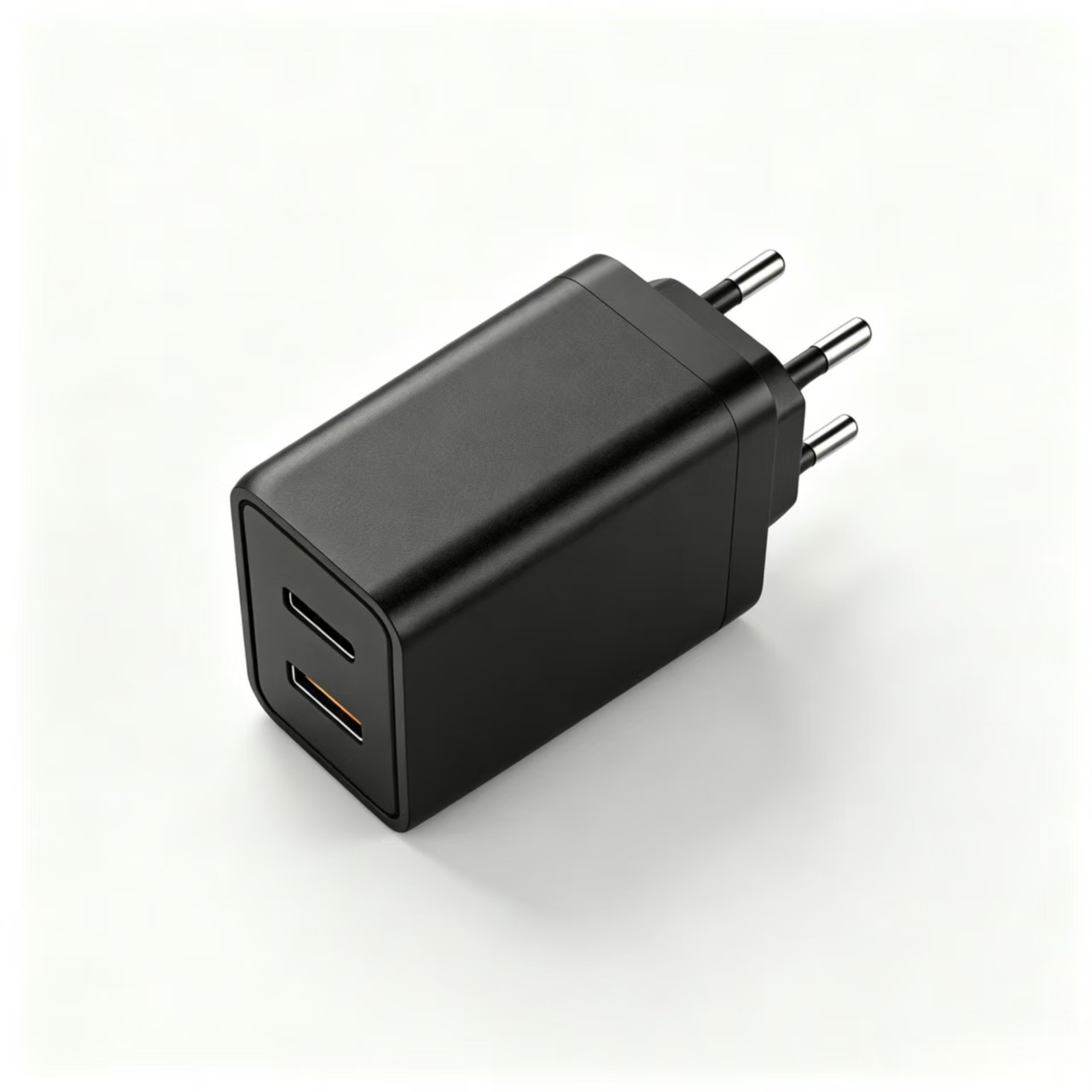
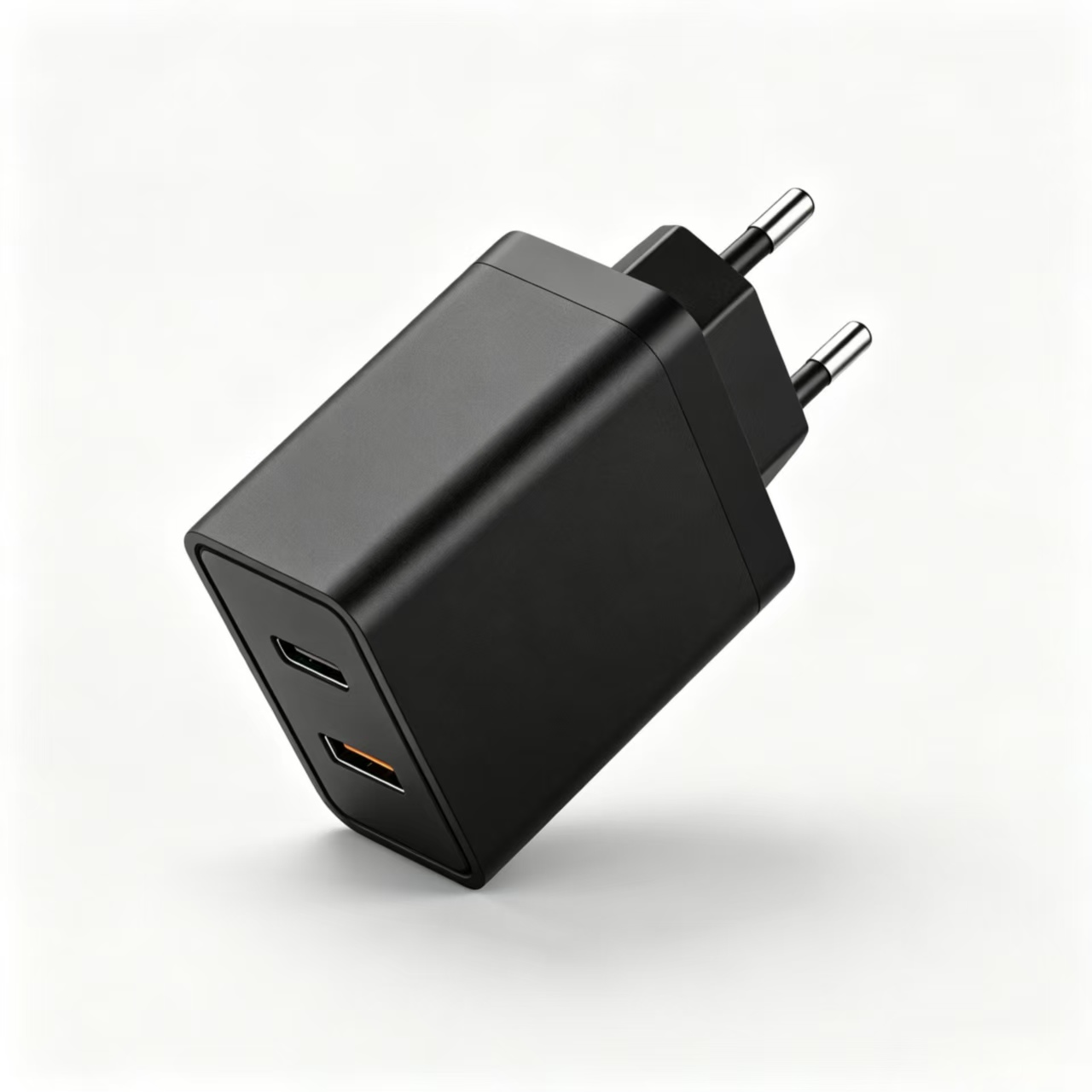
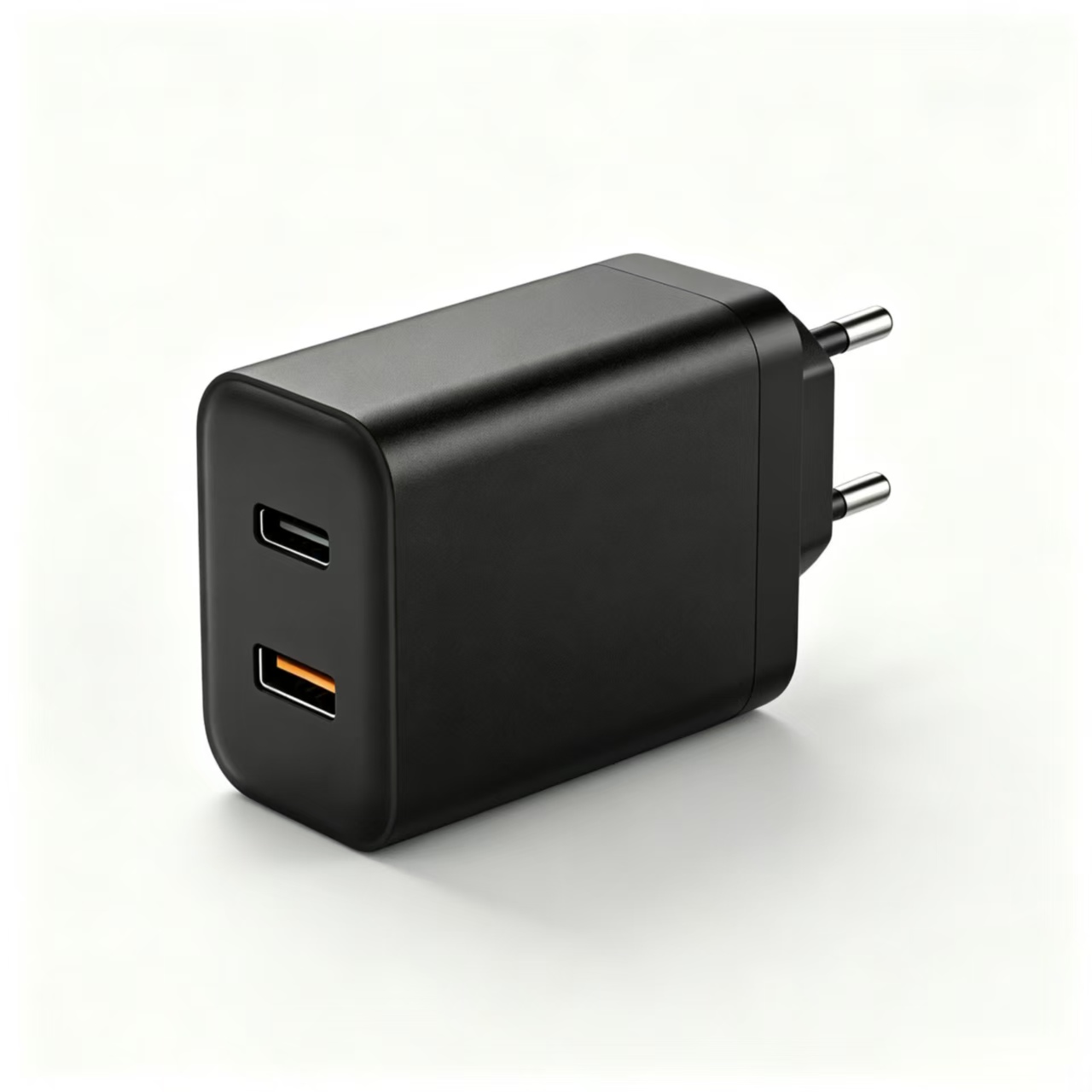
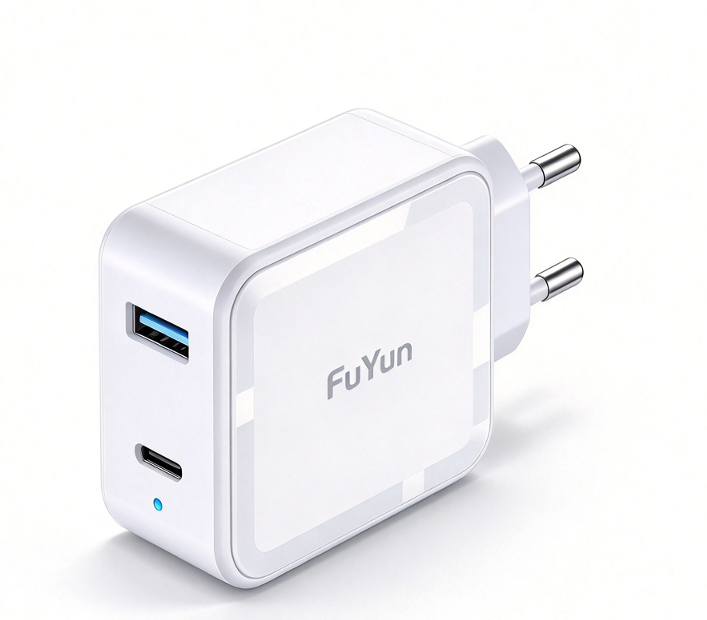
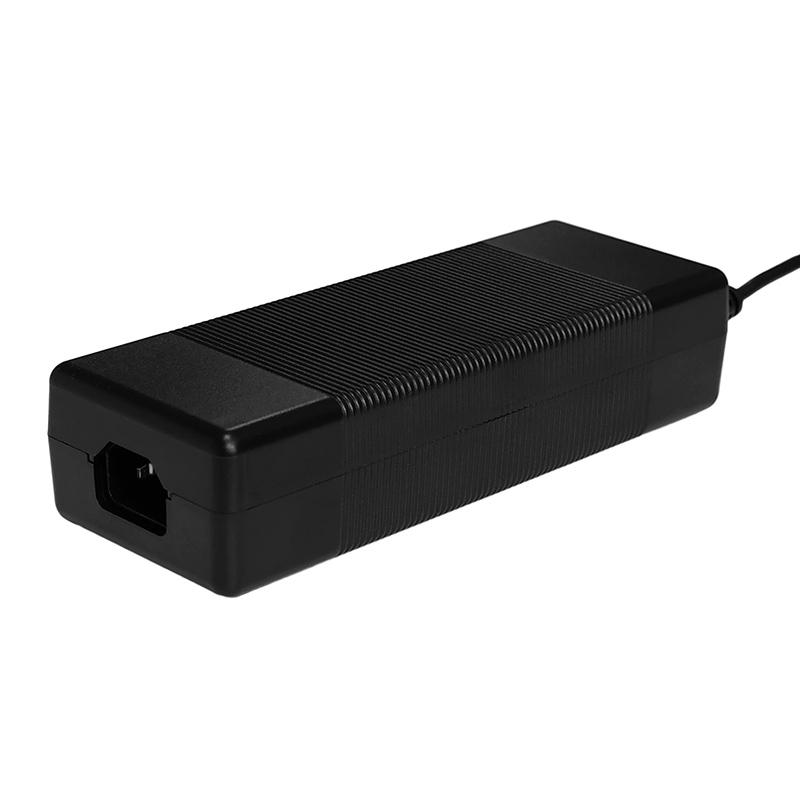
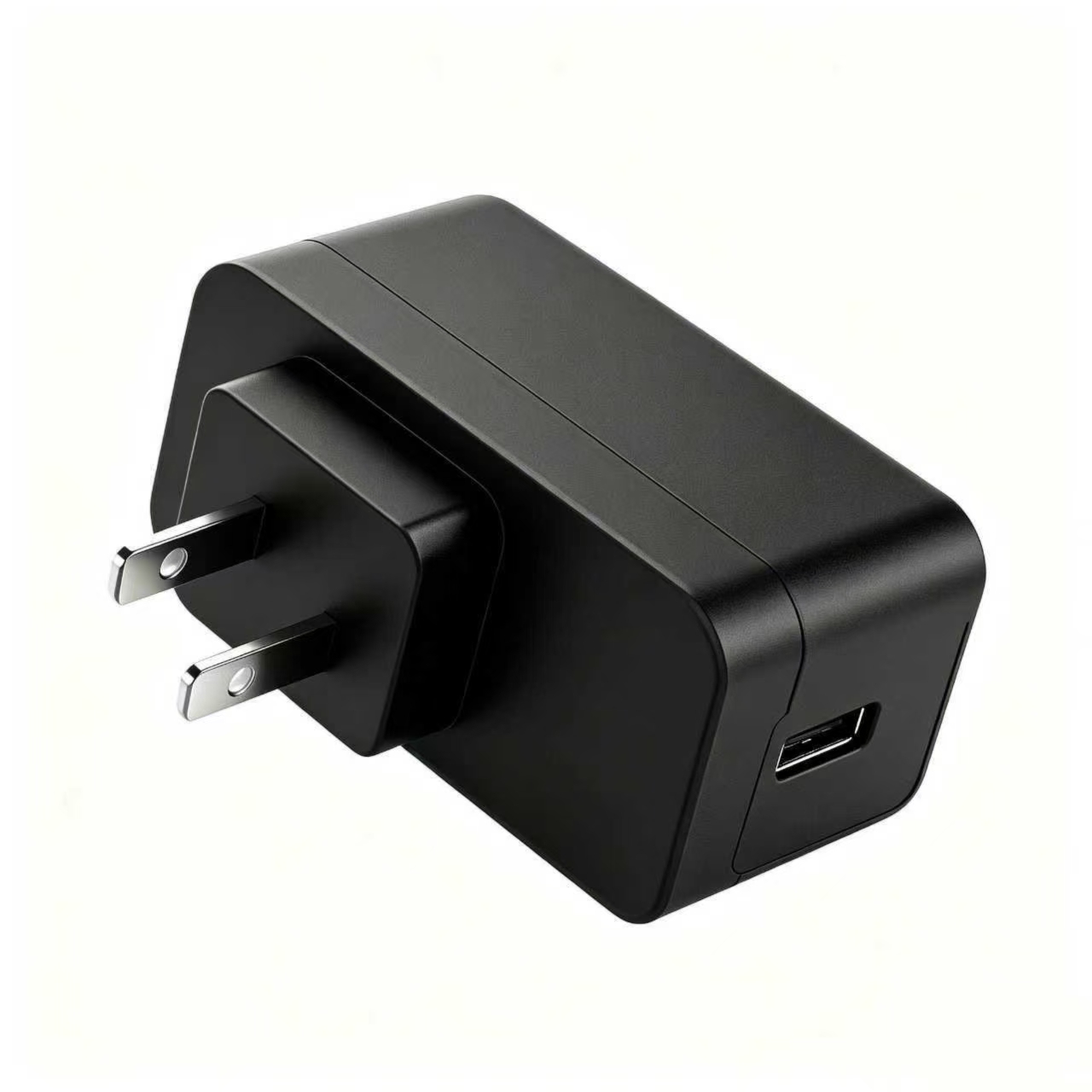
20-120W Dual USB-C Port PD Power Adapter: Customizable High-Speed Charging Solution
In the era of multi-device intelligent charging, a single-functional power adapter can no longer meet the diversified charging needs of households, commercial spaces, and cross-border electronic supporting scenarios. The 20-120W Dual USB-C Port PD Power Adapter is a upgraded multi-functional charging solution designed for modern high-speed, multi-device simultaneous charging demands. Different from traditional single-port power adapters and low-power linear charging devices, this PD power adapter adopts mature switching power supply technology, balancing high power efficiency, multi-port compatibility, safety stability and personalized customization capabilities.
Suitable for global mainstream electronic equipment and multi-scenario use such as family daily use, hotel supporting, vehicle charging and commercial equipment power supply, this dual C ports power adapter has become a cost-effective customized power supply type product for brand merchants, engineering purchasers and cross-border sellers. With adjustable power range from 20W to 120W and wide output voltage of 5-48V, it covers almost all mainstream smart devices on the market, realizing one adapter for multiple uses.
1. What Are Linear Power Adapters & How Do They Work
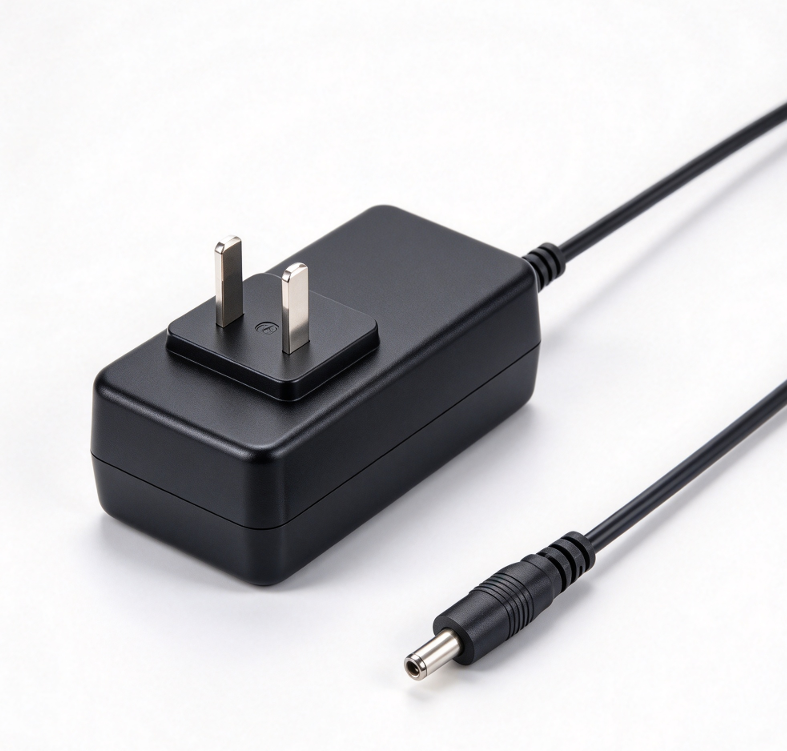
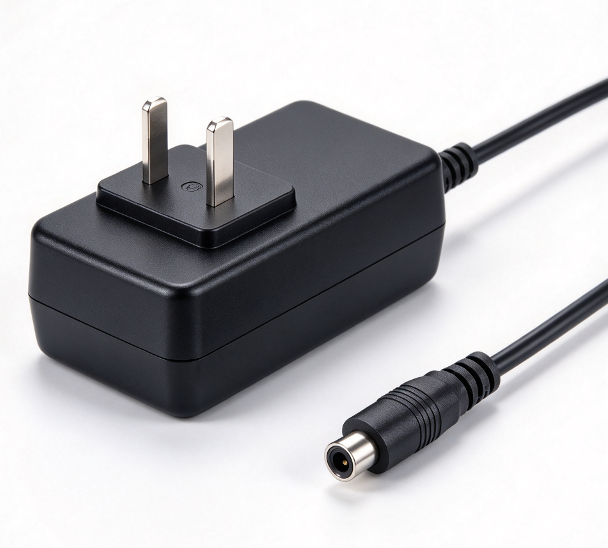
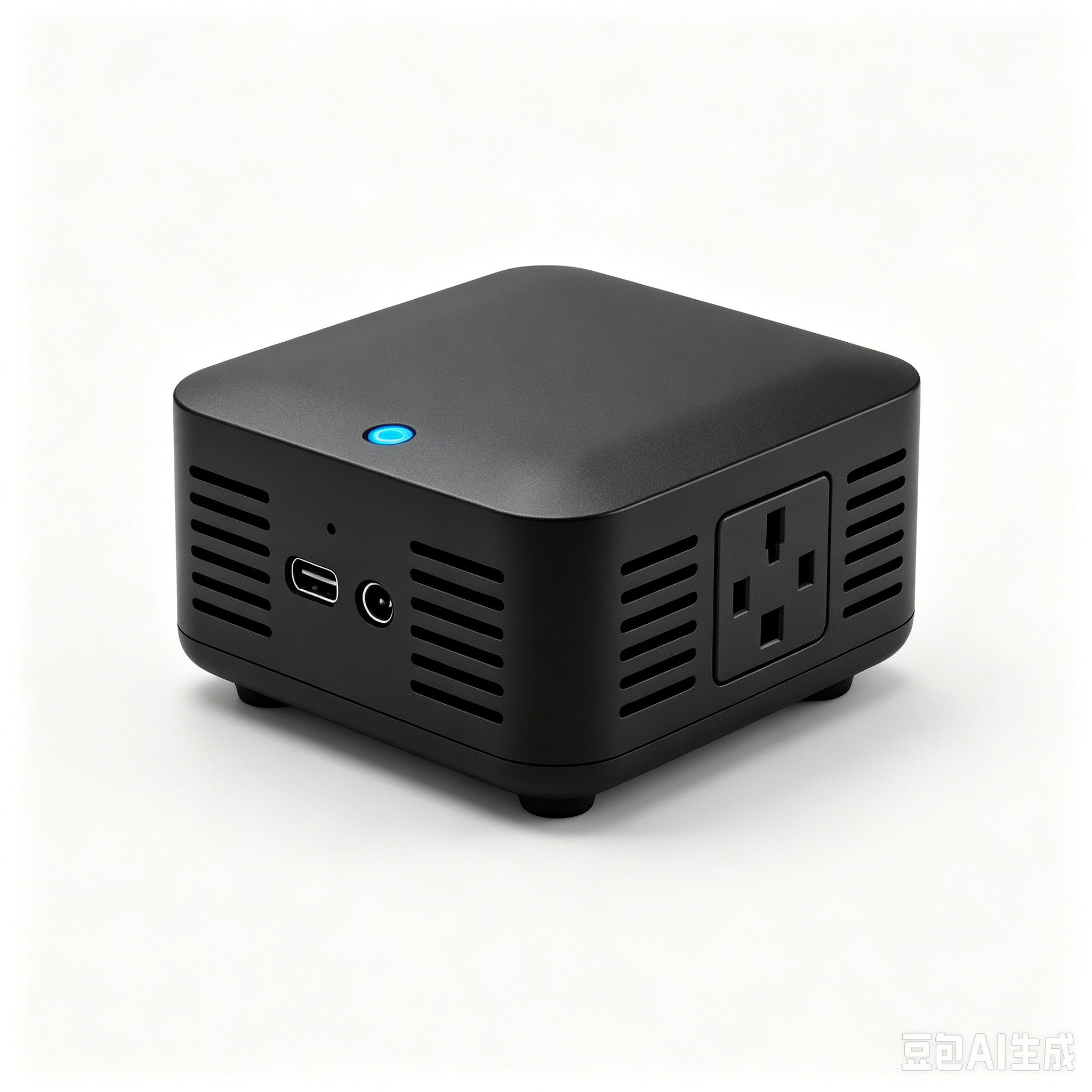
A linear power adapter is one of the most traditional and classic power supply type devices in the electronics industry. Its working principle is straightforward and easy to understand, with no complex circuit logic or high-frequency components involved. Unlike sophisticated power supply equipment that relies on signal conversion, a linear power adapter adjusts output voltage through passive voltage drop and resistance regulation, just like a controllable sliding resistor.
In the working process of a linear power adapter, the internal regulating tube works in a continuous conduction state. It consumes the excess input voltage in the form of heat to stabilize the required fixed output voltage. This working mode determines the most prominent characteristics of linear power adapters: ultra-simple internal structure and extremely stable output current and voltage.
Because there is no high-frequency operation, pulse signal conversion, or complex switching circuits inside, a linear power adapter produces almost no electromagnetic interference and working noise during operation. This low-noise advantage is irreplaceable in many high-precision electronic scenarios. For small-batch, low-power, and high-stability required equipment, the linear power adapter is still the preferred power supply type for many engineers and purchasers.
In terms of production and use cost, linear power adapters have obvious advantages. Their simple circuit structure means fewer electronic components, lower production process requirements, and more mature mass production technology. Therefore, the unit cost of a linear power adapter is much lower than most switching power adapters in low-power scenarios, which is why many low-end electronic devices still widely adopt this power supply type.
However, the fatal shortcoming of linear power adapters is poor power efficiency. Since excess voltage is consumed as heat, most electric energy is wasted instead of being converted into effective output power. The larger the voltage difference between input and output, the lower the power efficiency, and the more severe the heat generation. This also explains why traditional linear power adapters always feel hot after working for a short time.
2. What Are Switching Power Adapters & Core Working Principles
With the rapid iteration of portable electronic devices and global energy-saving policies, the switching power adapter has gradually become the mainstream power supply type in the commercial and industrial markets. Its core innovation lies in the adoption of high-frequency switching technology, which completely abandons the heat dissipation voltage regulation mode of linear power adapters.
The working logic of a switching power adapter is completely different from that of a linear one. Instead of continuously consuming excess voltage, it uses high-speed switching tubes to control the on and off of the circuit. Through precise adjustment of high-frequency switching frequency and duty cycle, it converts unstable input voltage into stable and adjustable output voltage. The entire voltage regulation process relies on electromagnetic conversion and pulse width modulation, with almost no invalid power consumption.
High-frequency switching technology is the core support for the excellent performance of switching power adapters. The switching frequency of mainstream products can reach tens to hundreds of kilohertz. This high-frequency working mode allows switching power adapters to use small-sized ferrite transformers instead of the bulky iron-core transformers required by linear power adapters. This structural change directly realizes the miniaturization and lightweight of power adapters.
The most intuitive advantage brought by this working mode is excellent power efficiency. A traditional linear power adapter usually has a power efficiency of only 40% to 60%, while a qualified switching power adapter can easily reach 85% to 90% power efficiency, and high-end industrial models can even exceed 95%. For enterprises with long-term mass power consumption and equipment standby power consumption, this power efficiency gap can bring huge energy cost savings every year.
In addition to high power efficiency, switching power adapters also have strong voltage adaptability. They can stably adapt to a wide range of input voltage fluctuations, which is very suitable for global cross-border sales of electronic products and complex industrial power supply environments. It is no exaggeration to say that high-frequency switching technology has revolutionized the power supply type industry, solving the pain points of low efficiency, large size, and heavy weight of traditional linear power adapters.
3. Core Differences in Key Performance Indicators (Buyer’s Focus)
For professional purchasers, the difference between linear power adapter and switching power adapter is not limited to working principles, but more reflected in practical performance indicators that affect product quality and cost. We sort out the most critical indicators for procurement reference, including power efficiency, size and weight, noise and interference, cost, and heat generation.
3.1 Power Efficiency & Energy Consumption
Power efficiency is the biggest gap between the two power supply type products. As mentioned above, linear power adapters rely on heat dissipation to regulate voltage, so the power efficiency is inherently low and unstable. When the input voltage is much higher than the output voltage, the power efficiency will drop sharply, and most electric energy will be wasted in vain. In low-load operation, the energy waste of linear power adapters is even more serious.
Switching power adapters powered by high-frequency switching technology have stable and high power efficiency in both full-load and low-load states. No matter how the input voltage fluctuates within the standard range, its energy conversion efficiency can always be maintained at a high level. For consumer electronics, smart home devices, and industrial automation equipment that need long-term standby and continuous operation, the high power efficiency of switching power adapters can effectively reduce standby energy consumption and meet international energy-saving certification standards such as ERP and Energy Star.
3.2 Size, Weight & Portability
Linear power adapters need to be equipped with large-volume iron-core transformers and heat dissipation structures to ensure stable operation, so they are bulky and heavy. A low-power linear power adapter is far heavier than a switching power adapter of the same power, and high-power linear products are even more cumbersome, which cannot meet the miniaturization and portable design needs of modern electronic products at all.
Benefiting from high-frequency switching technology, switching power adapters use smaller electronic components and miniaturized transformers. Under the same power parameters, the volume and weight of a switching power adapter are only 1/3 or even smaller than that of a linear power adapter. This advantage makes switching power adapters the first choice for mobile phones, laptops, Bluetooth devices, and other portable consumer electronics, greatly optimizing the product’s user experience and transportation and packaging costs for enterprises.
3.3 Working Noise & Electromagnetic Interference
This is the core advantage of linear power adapters. Since there is no high-frequency switching action inside, the linear power adapter runs smoothly, with almost no working noise, and the output voltage and current are extremely pure, without pulse ripple and electromagnetic interference. This feature makes it irreplaceable in high-precision fields.
In contrast, switching power adapters will produce slight high-frequency noise and electromagnetic ripple during operation due to high-frequency switching actions. Although mainstream manufacturers have optimized filtering circuits to suppress interference, they still cannot reach the ultra-low noise level of linear power adapters. Therefore, switching power adapters are not suitable for equipment that is extremely sensitive to signal interference.
3.4 Cost & Service Life
In low-power and fixed-voltage scenarios, linear power adapters have lower production costs, simpler maintenance, and longer service life. Their simple structure means fewer vulnerable parts and lower failure rates, with almost no later maintenance costs. For fixed-equipment power supply scenarios that run stably for a long time, linear power adapters have higher cost performance in the whole life cycle.
The cost advantage of switching power adapters is reflected in medium and high-power scenarios and mass production. With the improvement of high-frequency switching technology maturity and large-scale production, the cost gap between switching and linear power adapters is gradually narrowing. In high-power and multi-scenario adaptive applications, switching power adapters have far better comprehensive cost performance than linear products.
4. Applicable Scenarios for Linear and Switching Power Adapters
There is no absolute good or bad between the two power supply type products, only suitable or unsuitable scenarios. As a professional purchaser, the core of selection is to match the power adapter performance with product application scenarios. We summarize the most suitable application fields for linear power adapter and switching power adapter respectively.
4.1 Preferred Scenarios for Linear Power Adapters
First, high-precision testing equipment and laboratory instruments. These devices have extremely strict requirements for power supply stability and signal purity, and any electromagnetic interference or voltage ripple will affect test data accuracy. The low-noise and high-stability characteristics of linear power adapters can fully meet the precision needs of such equipment.
Second, professional audio and video equipment. Audio devices such as speakers, power amplifiers, and recording equipment are very sensitive to current noise. Linear power adapters can avoid current noise interference, ensuring pure sound quality and no background noise, which is why high-end audio equipment still uses linear power supply type solutions.
Third, low-power fixed industrial equipment and medical precision instruments. These equipment run in a fixed voltage environment for a long time, with low power demand and high requirements for operational stability. The simple structure and low failure rate of linear power adapters can reduce equipment failure risks and ensure long-term stable operation.
4.2 Preferred Scenarios for Switching Power Adapters
First, portable consumer electronic devices. Mobile phone chargers, laptop power adapters, tablet chargers, and wearable device power supplies all require small size, light weight, and high power efficiency. Relying on high-frequency switching technology, switching power adapters perfectly adapt to the portable design trend of modern consumer electronics and reduce product overall weight and volume.
Second, commercial and industrial high-power equipment. Industrial control equipment, LED lighting systems, smart home equipment, and communication power supply equipment have high requirements for power efficiency and voltage adaptability. The high power efficiency of switching power adapters can reduce enterprise energy consumption costs, and their wide voltage adaptation can cope with complex industrial power supply environments.
Third, cross-border exported electronic products. Different countries and regions have different grid voltage standards. Switching power adapters support wide voltage input and have strong compatibility, which can meet the unified production and sales needs of global products. At present, more than 90% of commercial power adapter solutions in the market adopt switching power supply technology, which has become the mainstream choice of the industry.
5. Practical Purchasing Suggestions for Power Adapter Buyers
Based on the above differences in working mechanism, power efficiency, and application scenarios of linear power adapter and switching power adapter, we put forward targeted purchasing suggestions for global procurement buyers to help you avoid pitfalls and select the most suitable power supply type solution.
First, prioritize linear power adapters if your products focus on precision and noise control. If you are sourcing power supplies for audio equipment, laboratory instruments, medical precision equipment, and other high-precision products, do not blindly pursue high power efficiency. The low noise and high stability of linear power adapters can effectively avoid product performance problems caused by power supply interference, reducing product defective rate and after-sales complaints.
Second, choose switching power adapters for portable, energy-saving, and miniaturization demand scenarios. For consumer electronics, smart devices, and industrial portable equipment, high power efficiency and small size are core competitive advantages of products. Switching power adapters using high-frequency switching technology can not only reduce product volume and weight to improve user experience but also reduce long-term energy consumption, helping products meet global energy-saving certification standards and expand market competitiveness.
Third, balance cost and performance for medium and low-power fixed equipment. For low-power fixed equipment with low noise requirements and long-term stable operation, linear power adapters with low cost and simple maintenance can be selected to control procurement costs. For medium-power equipment that needs to consider both efficiency and cost, optimized switching power adapter products with cost-effective parameters can be selected.
Fourth, focus on parameter matching and certification compliance. No matter which power supply type you choose, you must confirm whether the adapter’s input and output voltage, current, power efficiency level, and safety certification meet the target market standards. Especially for exported products, certified switching power adapters and linear power adapters can avoid customs clearance risks and market access problems.
6. Final Summary
To sum up, linear and switching power adapters are two indispensable mainstream power supply type products in the electronics industry, each with unique advantages and applicable scenarios. A linear power adapter has a simple structure, ultra-low working noise, stable output, and low unit cost, but its low power efficiency and bulky size limit its application in modern portable and high-power equipment.
By virtue of innovative high-frequency switching technology, the switching power adapter achieves high power efficiency, miniaturization, lightweight design, and wide voltage adaptation. It fully meets the energy-saving, portable, and high-efficiency development needs of modern commercial and industrial electronic equipment, and has become the mainstream solution for most market procurement projects.
For every procurement buyer and electronics designer, the key to selecting a power adapter is not to simply judge which product is better, but to select a matching power supply type according to product positioning, usage scenarios, cost budget, and certification requirements. Reasonable selection of linear power adapter or switching power adapter can not only optimize product performance but also effectively control procurement costs and improve product market competitiveness.
With the continuous upgrading of power supply technology, the performance of switching power adapters is still being optimized in terms of noise reduction and stability, while linear power adapters are also making breakthroughs in miniaturization and power efficiency. In the future, the two power supply types will still complement each other and serve different segmented electronic equipment markets.